


The path to reconciliation through structured dialogue: The main challenge lies in addressing political divisions and unifying institutions.
Pulbished on: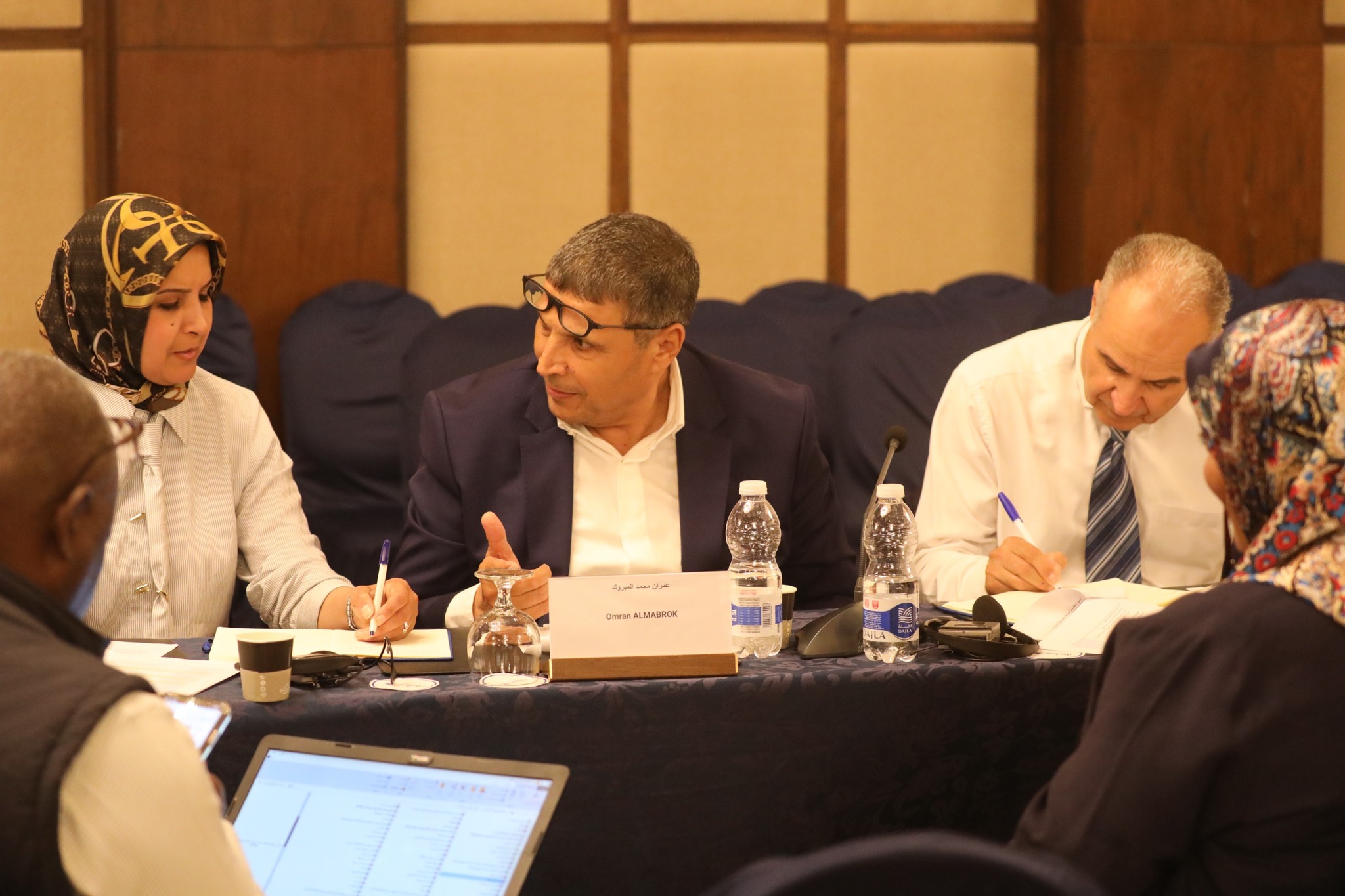
Tripoli, May 26, 2026 (LANA) – Members of the National Reconciliation and Human Rights Track of the Structured Dialogue held their fourth in-person meeting last week to discuss how to improve transitional justice and reconciliation recommendations, drawing on the experiences of previous Libyan initiatives and international best practices.
According to the United Nations Support Mission in Libya (UNSMIL), the National Reconciliation and Human Rights Track focused particularly on reviewing reconciliation projects and initiatives at both the national and local levels.
UNSMIL stated that during the four-day deliberations, members of the Track had the opportunity to develop and endorse a draft of recommendations addressing issues of violations related to internal displacement, local reconciliation, the human rights situation in the southern region, discrimination against cultural and linguistic groups, and enforced disappearances.
The meeting also discussed ways to ensure a human rights-based approach is adopted in ongoing national reconciliation efforts, particularly the strategic project led by the Presidential Council.
The members presented briefings on missing persons, victims of war crimes and crimes against humanity in Tarhuna, internally displaced persons in Benghazi, and the issue of administrative identification numbers. Members from predominantly Amazigh and Tebu regions highlighted the language issue, demanding clear recommendations for any new government to address discriminatory policies against these groups, according to the UN mission.
The dialogue participants agreed that the main challenge lies in addressing deep political divisions and unifying parallel institutions. They stressed the importance of protecting reconciliation efforts from political polarization and external influence.
The UN mission stated that the participants discussed whether initiating the reconciliation process with a new national peace charter was the best option, or whether a different approach should be adopted, taking into account local, tribal, and regional conflicts and the resulting obstacles to efforts due to power struggles and competing political agendas at the national level. The mission noted that the majority of those present concluded that it would be more beneficial to begin with local initiatives, implemented through a bottom-up approach that ensures the involvement and ownership of citizens at the local level. The track reviewed the draft recommendations aimed at ensuring women's participation in decision-making processes as partners, not merely as representatives of victims' voices. Discussions emphasized the necessity of women having an active and influential role in achieving sustainable peace.
The final recommendations for the National Reconciliation and Human Rights track are expected to be published following the plenary session of the structured dialogue scheduled for June 7th.
...(LANA)...