


Libyan News: High Prices in Libya - Living Pressures and Fears of Escalating Social Crises
Pulbished on: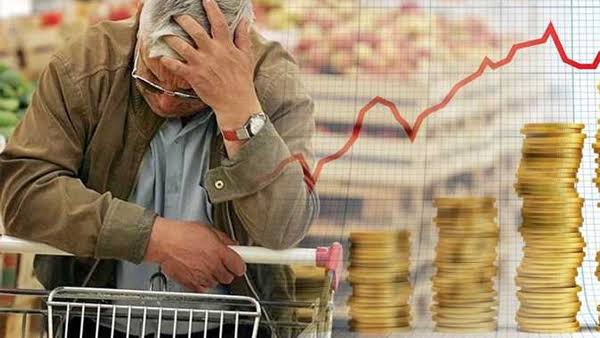
Report by: Ahlam Al-Jabali
Benghazi, April 5, 2026 (LANA) – The crisis of inflation in Libya is no longer limited to prices or diminished purchasing power. It has begun to impact the details of daily life within society, at a time when fears are growing that the continued pressure on living standards will lead to deeper social problems. These problems may not appear all at once, but will gradually expand as the crisis persists.
With this introduction, the Libyan News Agency (LANA) began its extensive report, which highlighted the exorbitant rise in prices in the Libyan market, including food and basic commodities. This has negatively impacted the lives and livelihoods of Libyan families, making it increasingly difficult for them to meet their daily needs.
The newspaper stated that with the increasing complaints about the high prices of basic goods and the declining ability of many families to cope with the cost of living, observers believe that the danger is no longer merely economic, but now threatens social stability itself, especially in the absence of clear solutions to alleviate the daily hardship faced by citizens.
- When High Prices Persist
In this context, researcher and social scientist Ilham Dabboub stated that if economic pressures persist for an extended period, “they no longer remain merely a cost-of-living crisis, but rather transform into a factor influencing the behavior of the entire society.”
In a statement to (LANA), Dabboub explained that the continued high prices and erosion of purchasing power in Libya, coupled with weak institutions and instability, can lead to a number of alarming social phenomena. These phenomena begin within the family and extend to the streets and the general public mood. She pointed out that the problem “is not just the high prices themselves, but their duration and the feeling among people that the situation is ongoing without any clear prospect of a solution.” She considers this aspect the most dangerous because it shifts the impact from the economic sphere to a deeper social and psychological one.
- The Family at the Forefront
The researcher believes that the first entity usually affected in such circumstances is the family itself, as it is the closest to the daily impact of the crisis.
She said that “the family’s inability to meet basic needs raises the level of tension within the home, leading to family disputes and constant psychological pressure, and in some cases, may even lead to divorce or domestic violence.” She explained that these indicators are “among the first signs that appear when an economic crisis begins to transform into a social crisis,” noting that prolonged pressure on the family leaves an impact that extends beyond the financial aspect to the very fabric of its internal cohesion.
She added that with the declining ability to keep up with expenses, many may resort to temporary or unstable solutions to secure additional income, pointing out that “people begin to search for any means of survival, whether through unstable side jobs, informal trade, or other means that may be outside official channels.”
She cautioned that this expansion of the informal economy is not only linked to need, but also to “a loss of confidence in normal channels and their ability to provide a minimum level of living stability.”
Observers believe that this type of adaptation may initially appear individual or limited, but over time it transforms into a general pattern if the stressful conditions persist without being addressed.
- Manifestations on the Street
The repercussions of the crisis do not stop there. According to the researcher, this extends beyond the family or income level, potentially manifesting in more overt behaviors in public life.
Dabboub stated that "another indicator worth noting is the rise in petty crime rates, such as theft, fraud, or conflicts stemming from stress or frustration." She emphasized that these manifestations "do not necessarily indicate the presence of organized crime, but they reflect that the pressures of daily life are beginning to break down some social barriers, pushing some towards behaviors that were previously unthinkable."
- Migration as a Frequent Option
In light of this reality, young people appear to be the most vulnerable to losing their sense of stability, especially given the limited job opportunities and the lack of prospects for rapid improvement.
Dabboub explained that "it is natural in such circumstances for young people to begin considering migration, whether abroad or even within the country, in search of better opportunities or a less stressful situation."
She added that the increasing prevalence of this thinking, even before it translates into actual action, "is itself an important social indicator, as it reflects a decline in confidence in the possibility of near-term improvement."
Declining Trust and Changing Behavior
According to Dabboub, one of the most dangerous consequences of prolonged economic crises is the shift in citizens' relationship with institutions and public life in general. She stated, "When citizens feel that prices are out of control and that there are no clear solutions, their trust begins to decline, and they become more prone to anger, protest, or even apathy."
She added that the continuation of this feeling could also lead to "the spread of survival-at-all-cost behaviors, such as petty bribery, nepotism, or accepting situations that were previously unacceptable." She warned that the most dangerous aspect of these transformations is their long-term impact on the daily values of society.
Indicators Worth Monitoring
Regarding what should be considered at this stage, Dabboub said that there are a number of social indicators that deserve serious monitoring, including the increasing reliance of employees on unstable additional work and the rise in daily complaints about the prices of basic commodities, especially bread, medicine, and fuel, compared to income levels.
She also pointed out that the increasing stories of migration or “burning” (illegal immigration), the rising levels of anger and despair in public discourse and on social media, as well as any additional strain on public services or an increase in local conflicts, are all indicators that should not be taken lightly.
Beyond the Market
While public discourse often focuses on prices and income, the picture, from a social perspective, appears much broader. According to this reading, the crisis is not measured solely by price increases, but also by its potential impact on relationships within society, on people's resilience, and on their outlook on the future.
With this pressure continuing without clear and tangible solutions, the fear remains that inflation will gradually transform from a cost-of-living crisis into a deeper social crisis, one that will be difficult to contain if left to fester silently.
...(LANA)...