


Al-Baour stressed the importance of improving consular services provided to Libyan communities abroad and protecting their interests
Pulbished on: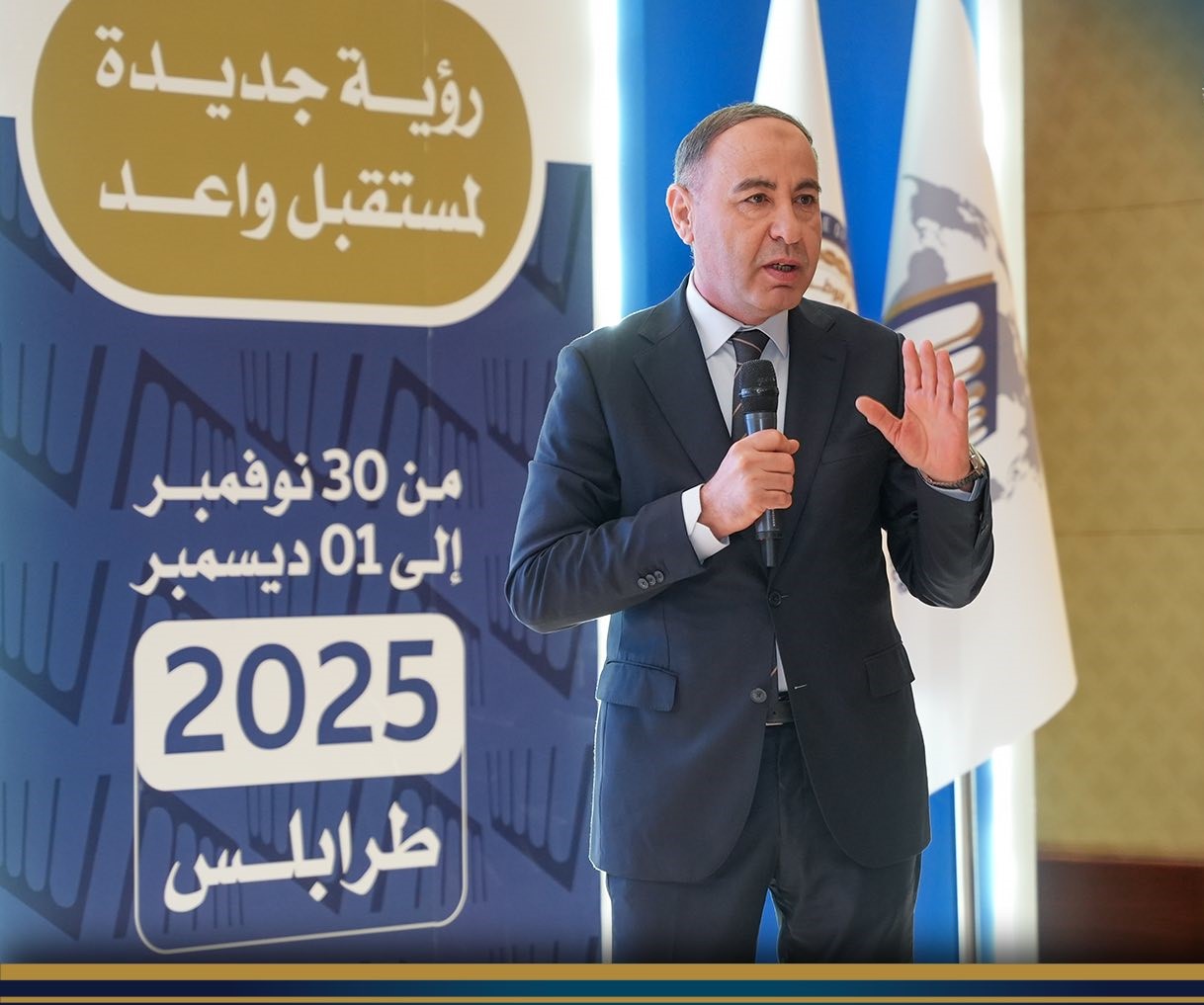
Tripoli, December 1, 2025 (LANA) – The Acting Minister of Foreign Affairs and International Cooperation, Taher Al-Baour, emphasized the importance of improving consular services provided to Libyan communities abroad and protecting their interests.
This came during his address today at the second day of the first Diplomacy Conference organized by the Ministry, in the presence of a number of ambassadors, heads of Libyan missions abroad, directors of departments and offices, as well as a select group of academics, researchers, and experts.
Al-Baour also reiterated the points made by the Prime Minister of the Government of National Unity, Abdulhamid Dabaiba, regarding the importance of enhancing diplomatic performance, strengthening regional and international presence, and playing a more effective role in supporting stability and building international partnerships, in addition to developing the skills of personnel working in the diplomatic corps.
The Acting Minister stressed the necessity of close coordination between Libyan missions and state institutions, particularly the Ministry of Foreign Affairs, as it is the primary channel of communication between the country and the outside world, in order to ensure the protection of Libya's sovereignty, territorial integrity, and institutions.
The second day of the conference featured a series of presentations, research papers, and panel discussions with diplomats, experts, and academics. These sessions addressed a range of important issues related to political and diplomatic work in Libya, as well as the most prominent local, regional, and international challenges it faces.
The discussions touched upon several vital topics, including the role of diplomacy in achieving national stability; the concept of economic diplomacy and its role in confronting current challenges; and the suitability of existing legal and regulatory frameworks for Libyan diplomacy.
Academics also examined the issue of irregular migration through Libya from legal and demographic perspectives, the role of media and public relations in shaping foreign policy, the realities of foreign policy in a multipolar world, and the topic of maritime borders and international law.
On the sidelines of the conference, Al-Baour held an expanded meeting with Libyan ambassadors and heads of missions and consulates general abroad, in addition to directors of departments and offices within the ministry. The meeting addressed ways to improve political and diplomatic performance, strengthen the role of Libyan missions abroad, and work towards formulating a shared national vision for foreign policy in the coming period, one that serves the country's best interests and enhances its international presence.
The attendees also reviewed the conditions of Libyan embassies and missions, discussed the challenges they face, and offered suggestions for improving political and diplomatic performance.
...(LANA)...