


Tetteh: Weak economic governance threatens financial stability in Libya and necessitates strengthening transparency and accountability
Pulbished on: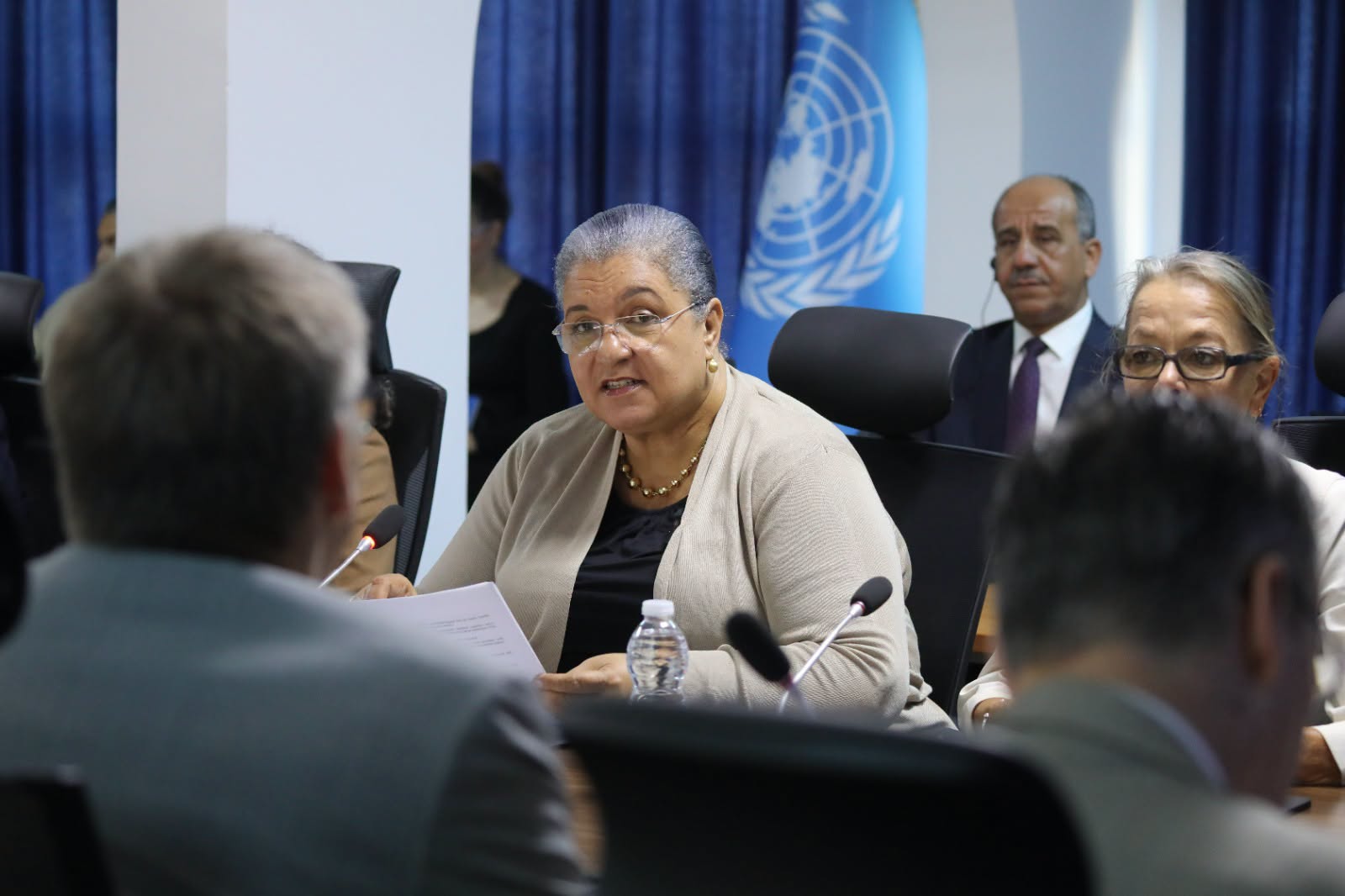
Tripoli, November 10, 2026 (LANA) – The Special Representative of the UN Secretary-General for Libya, Hanna Tetteh, affirmed that weak economic and financial governance, coupled with the entanglement of political interests in the management of public resources, poses a major challenge to the country’s economic and financial stability. She underscored the urgent need to enhance transparency and accountability, and to safeguard sovereign institutions.
In her opening remarks at a meeting of the Economic Working Group—part of the Berlin Process—held this Tuesday, Tetteh stated that Libya has failed to adequately capitalize on the rise in energy prices throughout 2026. This comes amid foreign currency expenditures that exceed generated revenues, a decline in the value of the Libyan dinar, and a drop in household purchasing power—all of which have exacerbated the cost-of-living burden.
She noted that the economic challenges facing the country are largely linked to how public resources are managed and distributed, pointing out that poor governance leaves sovereign institutions—particularly in the energy and banking sectors—vulnerable to political interference and the influence of armed groups.
The UN envoy warned of the repercussions that illicit activities, such as money laundering and fuel smuggling, have on the national economy. She explained that these activities divert billions of dollars in public resources away from the state and its citizens, fuel inflation, erode the value of the dinar, and lead to a shortfall in funding for public services. Furthermore, they undermine investor confidence and damage Libya’s standing within the international financial system. It was emphasized that addressing these challenges requires strengthening transparency, accountability, and institutional oversight—particularly regarding the management of oil revenues, fuel imports, public spending, and foreign currency. Furthermore, it is essential to activate banking supervision, ensure the implementation of the unified development program and its annex, protect the independence of sovereign institutions, and adopt standards of competence and merit in appointments.
Tetteh affirmed that economic governance is a fundamental component of the political roadmap in Libya. Progress toward unified and accountable institutions would foster trust, reduce tensions, and create the conditions necessary for a sustainable political settlement.
She explained that the responsibility for implementing these reforms lies with Libyan institutions and leaders, while noting the vital role of international partners in supporting such reforms, strengthening institutional safeguards, and coordinating efforts to promote stability in the country.
She reiterated that the ultimate goal is to safeguard Libya’s national wealth, bolster state institutions, and ensure that the country’s resources are utilized to serve the Libyan people.
...(LANA)...