


he UN mission discusses financial challenges and required reforms in Libya with the Economic Working Group.
Pulbished on: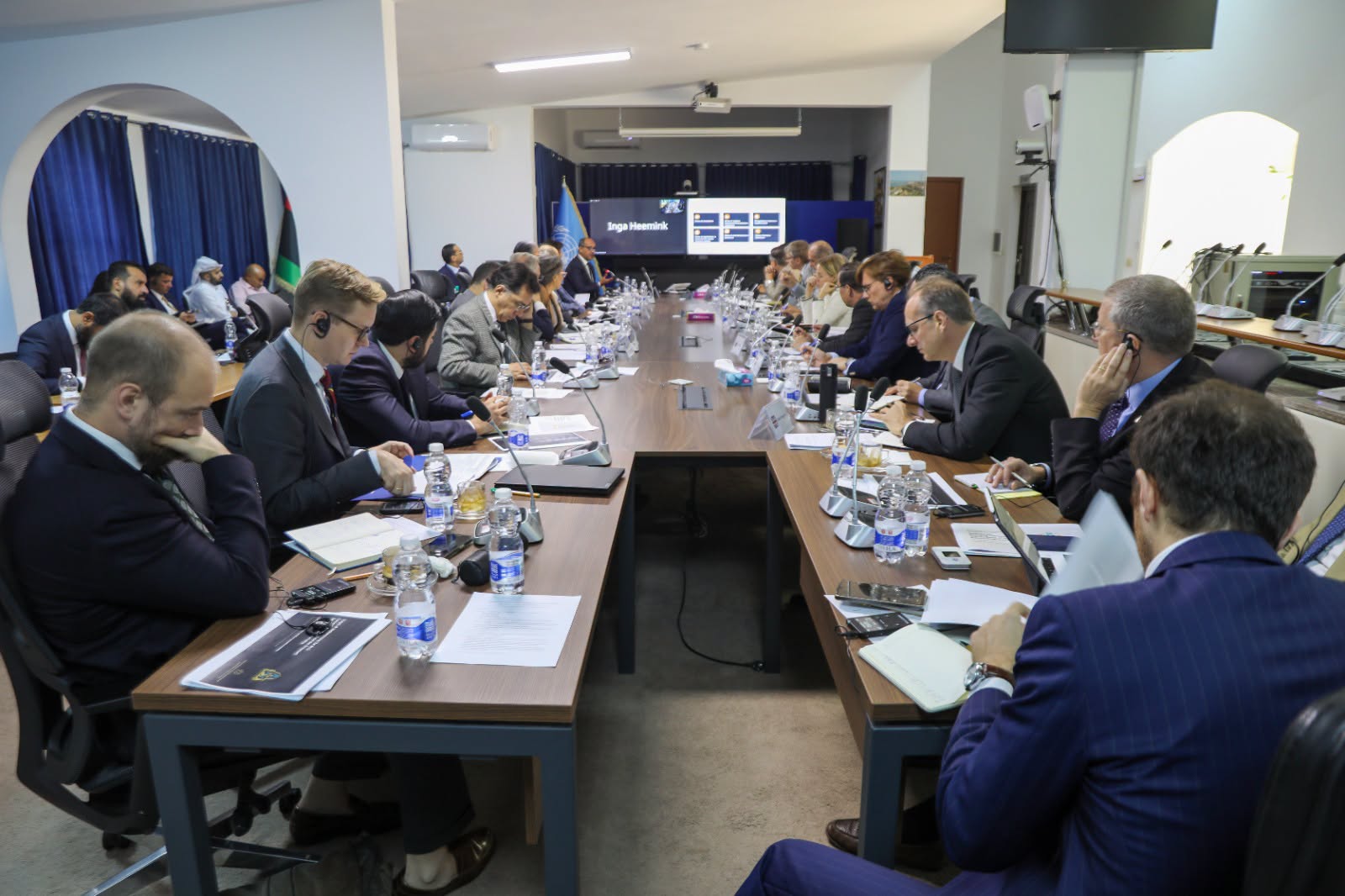
Tripoli, November 10, 2026 (LANA) – An expanded meeting of the Economic Working Group—part of the Berlin Process—was held today, Tuesday, at the headquarters of the United Nations Support Mission in Libya (UNSMIL) in Tripoli. The meeting addressed the economic and financial challenges facing Libya and explored ways to coordinate international support for reforms led by Libyan institutions.
According to a statement on its official page, UNSMIL noted that the meeting included representatives from the co-chairs of the Economic Working Group—comprising Egypt, the United States, the European Union, and UNSMIL—as well as the Audit Bureau, the National Oil Corporation, and various other nations and regional and international organizations, including the League of Arab States and the African Union.
In her opening remarks, the Special Representative of the UN Secretary-General, Hanna Tetteh, emphasized that Libya is facing mounting economic pressures—despite favorable energy prices this year—pointing to rising public spending, the depreciation of the dinar, and the declining purchasing power of citizens.
Tetteh warned that weak economic governance, political interference in sovereign economic and oversight institutions, and illicit activities—such as fuel smuggling and money laundering—are siphoning billions of dollars away from the interests of the Libyan people, thereby undermining economic and financial stability.
She stressed the need for concrete, coordinated action to strengthen institutional accountability, protect public resources, and ensure that national wealth is utilized for the benefit of all Libyans, highlighting the intrinsic link between economic governance and the country’s political track. The discussions addressed ways to enhance transparency and oversight of public resources, protect sovereign institutions, and combat illicit financial and economic activities. They also reviewed ongoing reform efforts within the oil and banking sectors, as well as the challenges hindering their implementation.
Participants underscored the importance of accelerating the pace of reforms and strengthening cooperation with national institutions. Furthermore, they examined priorities for the next steps aimed at supporting financial stability, improving institutional coordination, and embedding the principles of transparency and accountability-based governance.
...(LANA)...