


Cultural Committee of the Benghazi Book Fair Announces a Program Bridging Literature, Technology, and Identity
Pulbished on: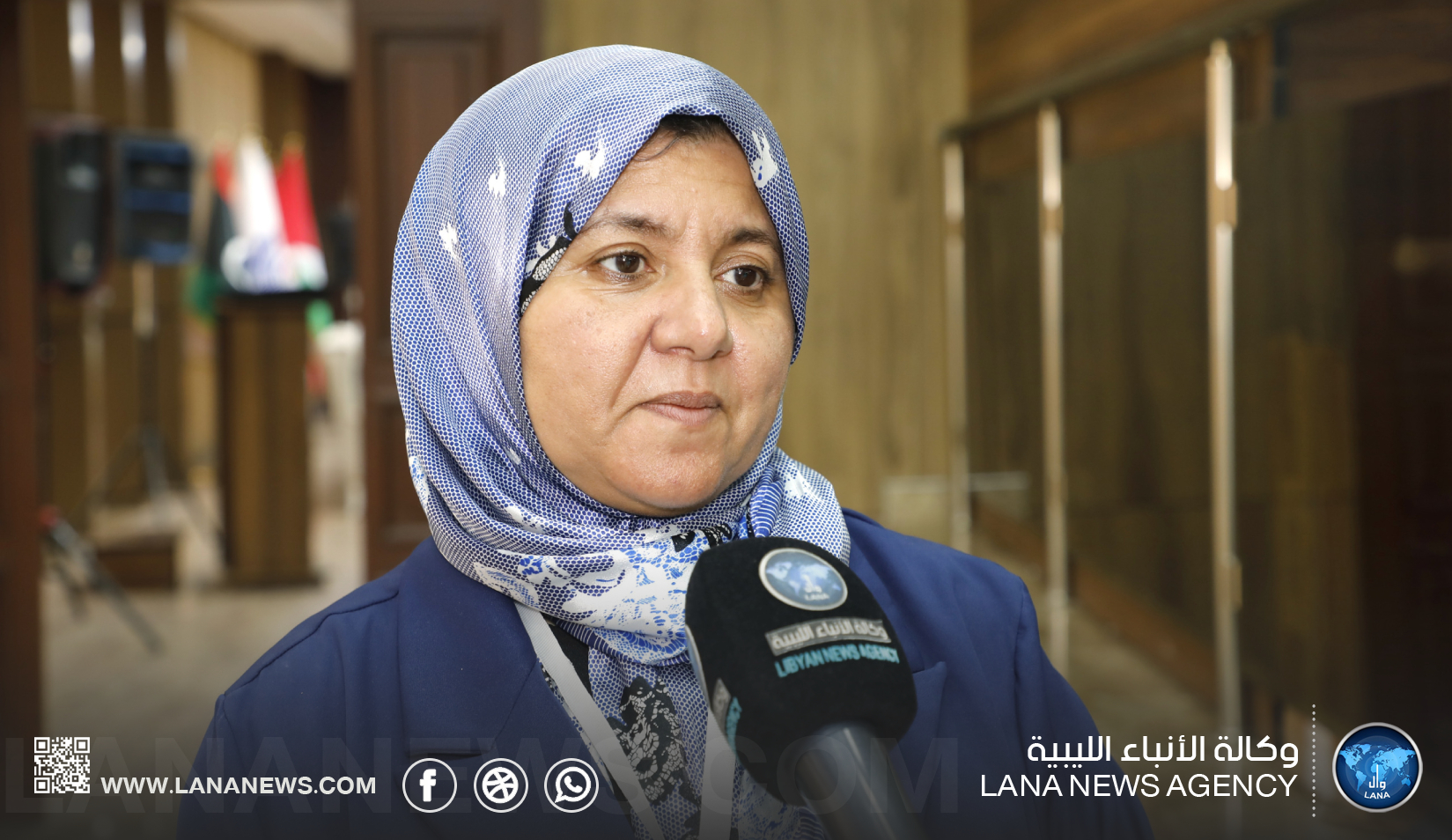
Benghazi, November 5, 2026 (LANA) – The fifth edition of the Benghazi International Book Fair continues with a diverse cultural and literary program curated by the Cultural Committee. The program brings together established literary and intellectual figures alongside young talent, exploring themes such as literature, identity, digital media, and artificial intelligence.
Rehab Shanib, head of the fair’s Cultural Committee, stated that this year’s theme, "Generations Meet and Visions Renew," reflects the committee’s commitment to discovering young literary voices. By providing a space where various creative experiences can intersect, the initiative aims to revitalize the cultural landscape and open new horizons for emerging talent.
She added that the committee’s activities seek to highlight the shifts occurring within the literary sphere. She noted that while previous generations often began their creative journeys with poetry, today’s youth increasingly gravitate toward writing novels at a young age—sometimes even during their high school years. This trend invites further inquiry into the evolving interests of new generations and the changing forms of their literary expression. She explained that the program is not limited to poetry and storytelling evenings; rather, it addresses topics relevant to the realities faced by young people and the future of culture. These include the relationship between culture and the economy, the lack of a clear vision in Libya, and the impact of artificial intelligence on various creative fields.
- Dialogues Bridging Experience and New Perspectives
Shanib noted that the program features evenings and discussion sessions involving a range of writers, intellectuals, and critics—including Dr. Ghalia Al-Dara’ani, Mohamed Al-Maslati, Salem Al-Abbar, and critics Tarek Al-Shara’ and Saad Al-Hamri. It also includes dialogues with author, novelist, and academic Dr. Saleh Al-Sanousi; media personality Dr. Sakina Bin Amer; and Professor Hani Shanib.
Furthermore, the program includes book signings for several literary works, such as a new release by novelist Salem Al-Hindawi and another by Major General Khaled Al-Mahjoub. It also covers the Marrakesh Treaty regarding the rights of the visually impaired, alongside discussions on cultural identity and how to strengthen it through digital media. - Artificial Intelligence at the Forefront of Cultural Discourse
In keeping with technological advancements, Shneib explained that the committee has placed a special focus on artificial intelligence—a major transformative force within the media, cultural, and creative landscape. Several discussions have been dedicated to this topic, covering the ethics of AI (with Dr. Najah Belqasem from Zawiya), the intersection of AI and drama (with director Mustafa Al-Zawi), and the relationship between AI and creative writing (with author Ramzi Al-Nuwaysiri).
- Women, the City’s Memory, Journalism, and the Publishing Crisis
Shneib noted that the program creates a space to evoke the cultural and social memory of the city of Benghazi through a session titled "The Feminine Memory of the City," which explores the contributions of various women and their experiences in documenting the city’s history and collective memory.
The program also addresses the state of journalism—featuring Ibrahim Abdel Hamid and Dr. Mohamed Al-Manfi—as well as the current crisis in the publishing sector, with Ali Al-Jaber and Dr. Siddiq Dawara, to examine the challenges facing the book and publishing industry in Libya.
- A Focus on Children in the Cultural Program
Shneib emphasized that children are also a key part of the cultural program, with dedicated activities featuring Dr. Saria Al-Ati—head of the Philosophical Society for Children in Tripoli—and Dr. Hosni Al-Hashimi from Egypt. They will discuss the relationship between philosophy and childhood, and the importance of fostering critical thinking in children from an early age. She added that the program also includes workshops for children, storytelling sessions, and discussions centered on music, books, and the significance of children’s literature in shaping the character of the younger generation.
Concluding her interview with the Libyan News Agency (LANA), Shanib emphasized that the Cultural Committee aims to deliver a program that transcends the traditional frameworks of literary activities. It seeks to keep pace with intellectual and technological shifts, providing young people and children with a space to engage and participate, while drawing upon the expertise of writers and intellectuals. This approach transforms the exhibition into a hub for cultural interaction, the exchange of ideas, and the renewal of perspectives.
=Lana-Benghazi=