


The Speaker of the House of Representatives calls for a comprehensive economic reform plan, the curbing of spending and imports, and support for national production
Pulbished on: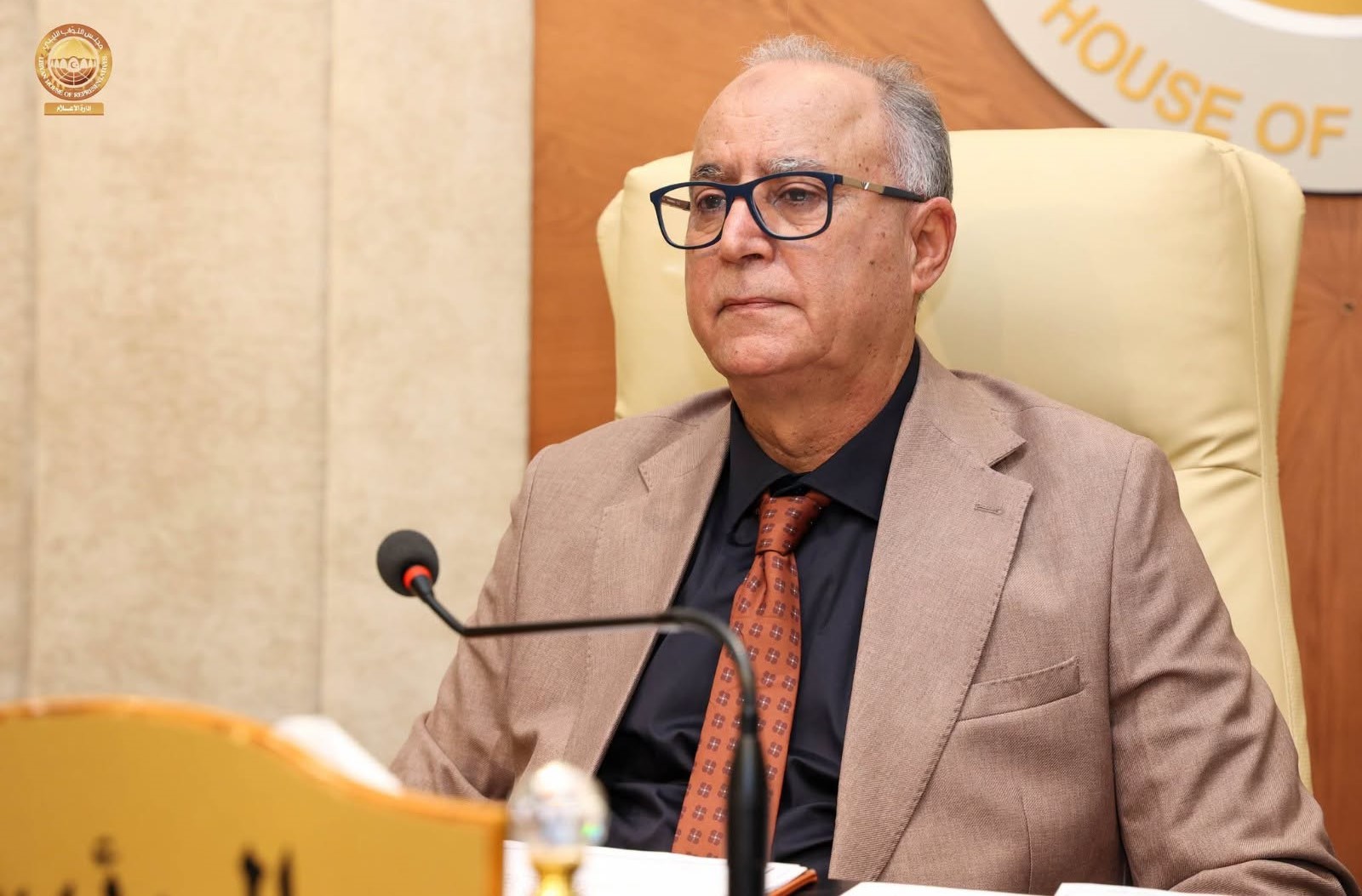
Benghazi, November 4, 2026 (LANA) – The Speaker of the House of Representatives, Engineer Al-Salihin Abdul Nabi, has called for the development of a comprehensive national plan for economic and financial reform in Libya. This plan should include specific priorities, executive programs, and clear timelines to address economic imbalances and achieve financial and monetary stability. He emphasized the importance of leveraging national expertise and talent to devise practical solutions for the challenges facing the country.
During a consultative meeting hosted by the House of Representatives today, Wednesday, with elites and experts in the economic and financial sectors, Abdul Nabi stated that the current phase requires moving beyond merely diagnosing problems and exchanging viewpoints toward a stage of serious, responsible action. He noted that experts and specialists bear a national and ethical responsibility to contribute to addressing economic and financial challenges by developing visions grounded in scientific and professional foundations, rather than relying on temporary, stopgap measures.
The Speaker of the House of Representatives urged the experts and specialists to form working groups and joint committees to develop practical proposals as quickly as possible. Expressing his confidence in the ability of Libyan experts and professionals to provide the necessary solutions, he requested that these efforts yield concrete, actionable, and monitorable outcomes—including clear implementation mechanisms, the designation of entities responsible for each measure, and defined timelines for their completion. He explained that an economic reform plan should address the rationalization of public spending, the strengthening of fiscal discipline, and the ensuring that resources are directed toward national priorities. It should also focus on diversifying revenue sources, reducing reliance on oil, and developing productive sectors to enhance the sustainability of the national economy.
In the context of supporting domestic production, Abdul Nabi called for backing national manufacturing facilities by providing the raw materials and production inputs they require. This would enable them to continue their operations and contribute to meeting the needs of the local market, noting that some factories currently lack the necessary materials to carry out production and marketing.
He emphasized the importance of directing support and credit allocations toward factories engaged in genuine productive activity. He also stressed that the needs of the industrial sector must be taken into account when preparing import budgets, with priority given to securing materials essential for manufacturing processes.
Furthermore, the Speaker of the House of Representatives called for the establishment of an import budget within the state’s general budget. This would include a defined financial ceiling for import operations, helping to regulate banking credits and align them with the country’s actual requirements. He underscored that the opening of banking credits must not exceed the allocations set forth in this budget.
He also stressed the necessity of directing credit allocations toward essential goods—primarily food, medicine, animal feed, and industrial raw materials—while reviewing other types of imports. Non-essential and luxury goods should be excluded from these priorities, ensuring that available resources are channeled toward meeting the needs of the Libyan people. Regarding the issue of fuel subsidies, the Speaker of the House of Representatives called for the preparation of a comprehensive study on how to regulate these subsidies. He emphasized the need to establish mechanisms that ensure Libyan citizens benefit from them—specifically those who are truly entitled—stressing the importance of re-evaluating this file to better align with the intended purpose of state resources, while also helping to regulate public spending and improve resource management.
Abdul-Nabi pointed to the importance of addressing distortions in the foreign exchange market, strengthening confidence in the banking sector, improving the investment climate, supporting the private sector, and creating sustainable job opportunities. He also highlighted the need to enhance transparency, governance, and oversight in the management of public funds.
He affirmed the House of Representatives' support for leveraging the expertise and scientific competence of Libyan nationals to develop realistic economic frameworks. Such frameworks should ensure the optimal use of the country’s wealth and potential, while safeguarding the assets of the Libyan people.
He expressed his hope that the meeting would yield a unified economic vision and actionable recommendations, serving as the foundation for a comprehensive economic and financial reform plan that is both implementable and subject to monitoring. He noted that Libya possesses the resources, potential, and skilled human capital required to build a strong and sustainable economy.
In his concluding remarks, he stressed the necessity of integrating efforts, prioritizing the interests of the nation and its citizens above all else, and working to translate ideas and proposals into tangible results that help address economic and financial challenges, ultimately guiding the country toward stability and safety.
...(LANA - Benghazi)...