


Tetteh: The UN is not facilitating the permanent resettlement of migrants in Libya.
Pulbished on: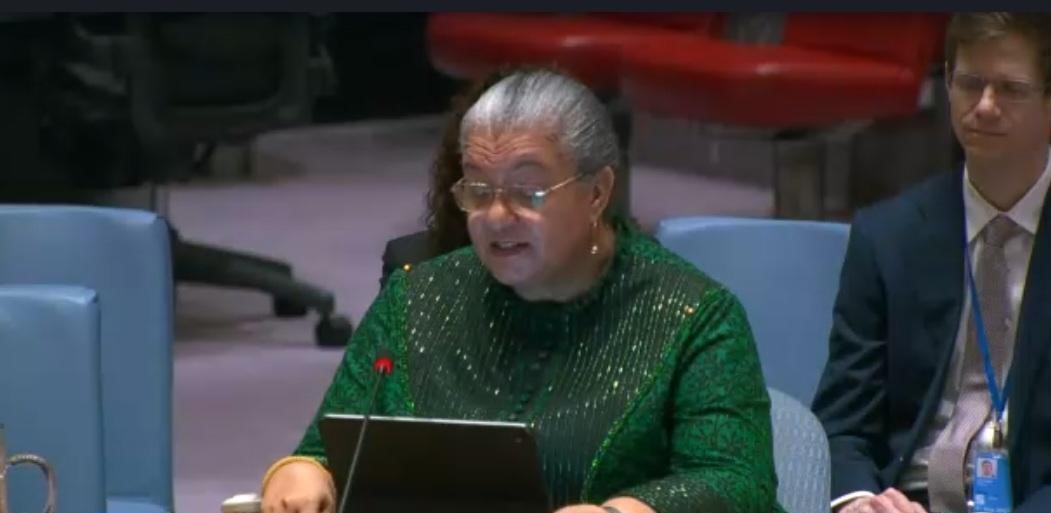
New York, October 14, 2026 (LANA) – UN Special Representative Hanna Tetteh stated that the overall security situation in Libya remains fragile, while welcoming positive steps taken to advance military cooperation between military and security institutions in the eastern and western regions.
In her briefing to the UN Security Council on Wednesday, Tetteh said the mission commends the work of the West Coast Security Arrangements Committee in de-escalating tensions, curbing clashes and security incidents, and enhancing security coordination in the city of Zawiya and other towns in the western region.
She added that the situation in southern Libya requires continued attention, noting that strengthening the state's presence, improving border management, and addressing local grievances regarding access to services would contribute positively to the stability of these areas. She pointed to disparities in public service delivery between the north and south of the country, which have exacerbated public discontent and instability in the southern region.
Separately, the UN Special Representative called on Libyan authorities to redouble efforts to counter what she described as misleading and inflammatory information directed against migrants, and emphasized the need to ensure their safety, as well as the safety of humanitarian workers, UN personnel, and their premises.
She stated that the United Nations respects Libya's full sovereignty and does not facilitate the permanent settlement of migrants or refugees in the country, stressing that legitimate concerns regarding migration should be addressed through responsible policies, dialogue, and reliable information, rather than through hate speech, intimidation, or violence. Tetteh added that while Libya possesses the sovereign authority to manage its borders and migration, it must do so in accordance with its international obligations—including protection against arbitrary detention, torture, other forms of ill-treatment, and refoulement.
She emphasized that Libya is bound by its international human rights obligations, including the International Convention on the Protection of the Rights of All Migrant Workers and Members of Their Families and the 1969 OAU Convention Governing the Specific Aspects of Refugee Problems in Africa.