


Tetteh: Institutional and political division in Libya has negatively affected the country's economic situation.
Pulbished on: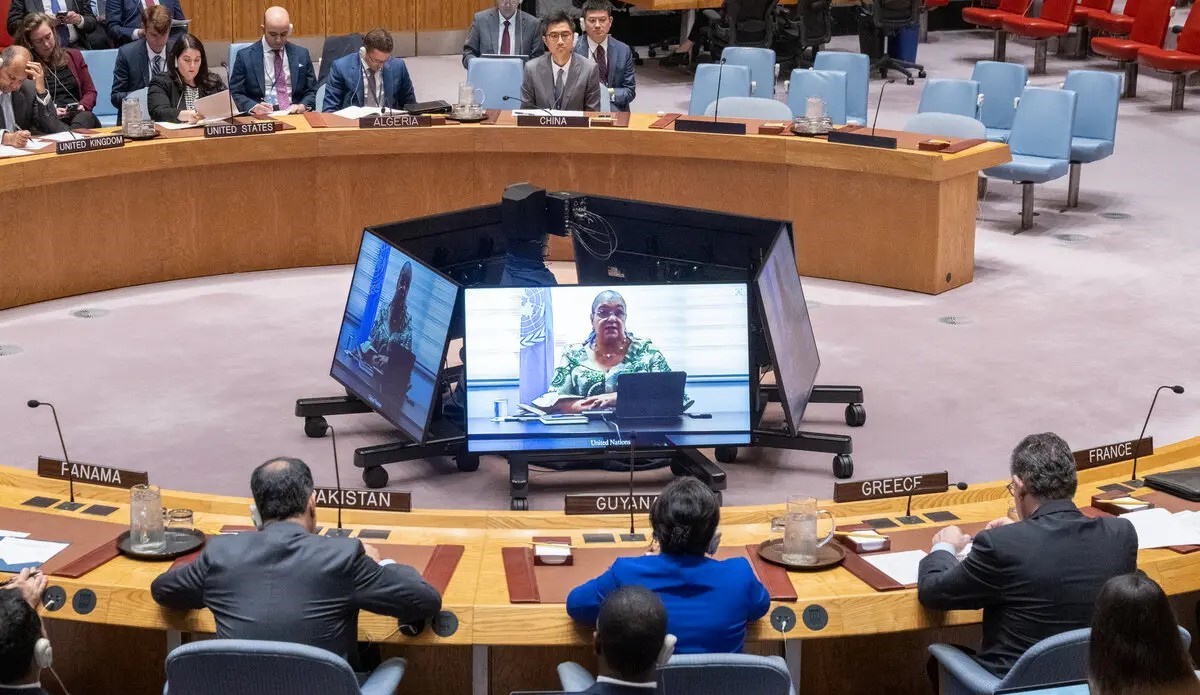
New York, October 14, 2026 (LANA) – UN Special Representative Hanna Tetteh affirmed that the institutional and political division in Libya has negatively impacted the country's economic situation.
In her periodic briefing to the UN Security Council on developments in Libya this Wednesday, Tetteh stated that Libyans are facing an erosion of purchasing power, driven by a roughly 14 percent depreciation of the dinar and a sharp 3.8 percent increase in commodity prices in August.
Tetteh warned of rising fuel smuggling—specifically of subsidized fuel—noting that between 30 and 40 percent of subsidized fuel is diverted to smuggling, resulting in losses exceeding $4.4 billion.
She also highlighted that protests by members of the Petroleum Facilities Guard in western and southwestern Libya have negatively affected the stability of the country's energy sector, noting that these protests caused a loss of approximately one million barrels of oil, valued at $100 million.
The UN envoy emphasized that attacks targeting oil infrastructure could provide grounds for the Security Council to impose measures against those undermining Libya's economic stability.
She noted that rising global fuel prices have fueled further fuel smuggling—particularly of diesel—explaining that between January and September 2026, Libya imported 8.15 million tons of fuel at a cost of $8.9 billion. Tetteh stated that the rising cost of living is fueling public discontent in the country—as evidenced by strikes in the education and health sectors—noting that the education sector strike has delayed the start of the school year for approximately 1.6 million public school students nationwide.