

Libya hosts the 14th African C10 Ministerial Meeting, resulting in endorsing the “Tripoli 2026 Outcome Document".
Pulbished on: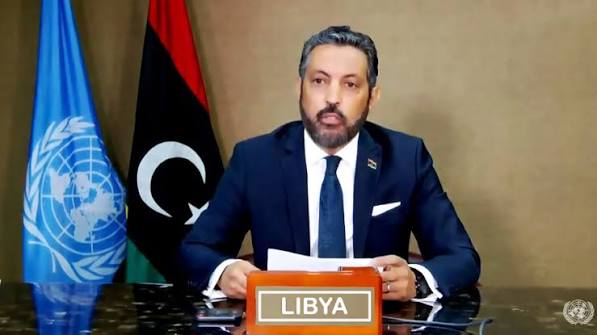
Tripoli, 12 October 2026 (Lana): Libya’s hosting of the 14th Ministerial Meeting of the African Group of Ten (C-10), which is concerned with reforming the United Nations Security Council, resulted in endorsing the “Tripoli 2026 Outcome Document".
This marks a step towards strengthening Libya’s role within its African regional context and supporting the unified African position calling for fair representation of the continent on the UN Security Council, which includes allocating two permanent seats to African countries with full powers, including the veto, in addition to two non-permanent seats.
Libya’s Permanent Representative to the UN, Taher El-Sonni, said in a tweet that organising the meeting, which was relocated from Sirte to Tripoli, comes within the framework of African efforts aimed at reforming the UN Security Council and ending the continent’s historical marginalisation in the international decision-making system.
El-Sonni stated that the African demand for two permanent seats on the UN Security Council with full powers, including the veto, in addition to two non-permanent seats, is based on the African position adopted under the historic "Sirte Declaration” in 2009, noting that this demand represents a central objective in the process of reforming the Council and achieving a balance in the representation of countries and regions within the international system.
He stressed that this demand does not represent a privilege that Africa seeks to obtain but rather an entitlement grounded in the principles of justice and equality and constitutes a fundamental requirement for strengthening the legitimacy and effectiveness of the international system.
El-Sonni noted that the “Tripoli 2026 Outcome Document” represents an important milestone in African efforts to unify positions and strengthen joint coordination on reforming the UN Security Council in a manner that supports the call for fair representation of the continent that reflects its standing and role in international affairs.
He expressed his gratitude to all those who contributed to the success of the meeting, commending the significant participation of UN General Assembly President Philemon Yang and the co-chairs of the Intergovernmental Negotiations on Security Council reform, including Ambassador Liz van Haren of the Netherlands.
The 14th Ministerial Meeting comes amid ongoing efforts by African countries to advance reform of the UN Security Council in a way that addresses historical imbalances in the continent’s representation, upholds the principles of justice and equality, and strengthens the credibility of the international system and its ability to respond to global challenges.
The African Group of Ten includes Libya, Algeria, the Republic of the Congo, Equatorial Guinea, Kenya, Namibia, Senegal, Sierra Leone, Uganda, and Zambia. Sierra Leone coordinates the group’s work and was established in 2005 to defend the common African position on UN reform, based on the “Sirte Declaration” and the “Ezulwini Consensus".
=Lana=