


The United Nations supports operations to remove more than 14,000 items of explosive ordnance in Misrata
Pulbished on: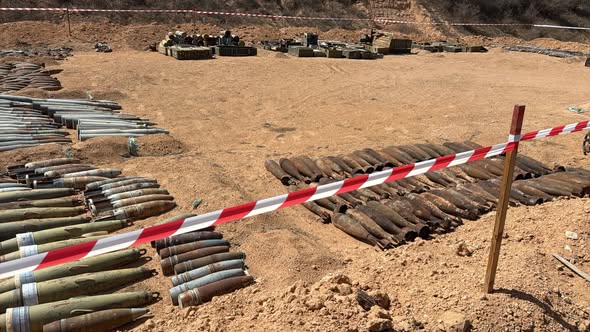
Tripoli, September 28, 2026 (LANA) – The United Nations Support Mission in Libya (UNSMIL) stated that implementing partners removed 14,066 items of explosive ordnance from the Al-Sweihli farm in Misrata between January and September of this year. This information was detailed in a field report presented by the Libyan Peace Organization during a visit by the UN team to Misrata last week.
The mission’s team held a meeting with the Misrata Municipal Council to discuss how UN support and the efforts of non-governmental organizations (NGOs) can contribute to protecting civilians from the dangers of explosive ordnance, as well as promoting safe practices and raising awareness regarding the safe management and handling of ammunition.
During the visit, the Mayor of Misrata, Mahmoud Al-Saqoutri, requested UN support for clearance operations in the areas of Zamzam, Al-Washka, and Abu Grein, where explosive remnants of war continue to pose a threat to civilian safety.
Al-Saqoutri welcomed awareness campaigns regarding the dangers of explosive ordnance and expressed his support for initiatives aimed at protecting the population and ensuring their safety.
Fatima Zreik, Head of the UN Mine Action Service (UNMAS) within the mission, stated that civilians should not be exposed to such dangers. She expressed concern regarding the impact of recurring unplanned explosions near populated areas in Libya and the resulting damage. It reaffirmed the United Nations' commitment to working with Libyan partners to enhance civilian safety and protection against the dangers of explosives, emphasizing the importance of preventive measures to avert future explosions.
The visit focused on the importance of protecting civilians and mitigating the risks of unplanned explosions at ammunition storage sites. This follows an explosion last month in the Al-Sakat area of Misrata—an incident that, like five similar explosions elsewhere in Libya over the past four years, resulted in the contamination of surrounding areas with explosive ordnance.
Technical assessments conducted during clearance operations frequently indicate that ammunition storage practices failing to adhere to international guidelines are a primary factor increasing the risk of such incidents.
The mission’s United Nations Mine Action Service (UNMAS) aims to strengthen national capacities in weapons and ammunition management, ensuring consistent and safe practices in the handling of ammunition stockpiles.
Accompanied by the Libyan Mine Action Centre, the mission team reviewed progress on explosive ordnance disposal and risk awareness activities carried out by implementing partners—The HALO Trust and the Libyan Peace Organization—under a project funded by the Italian government.