


Al-Majbari declines to continue chairing the High Committee for "Benghazi: Capital of Arab Culture 2026" due to a lack of funding.
Pulbished on: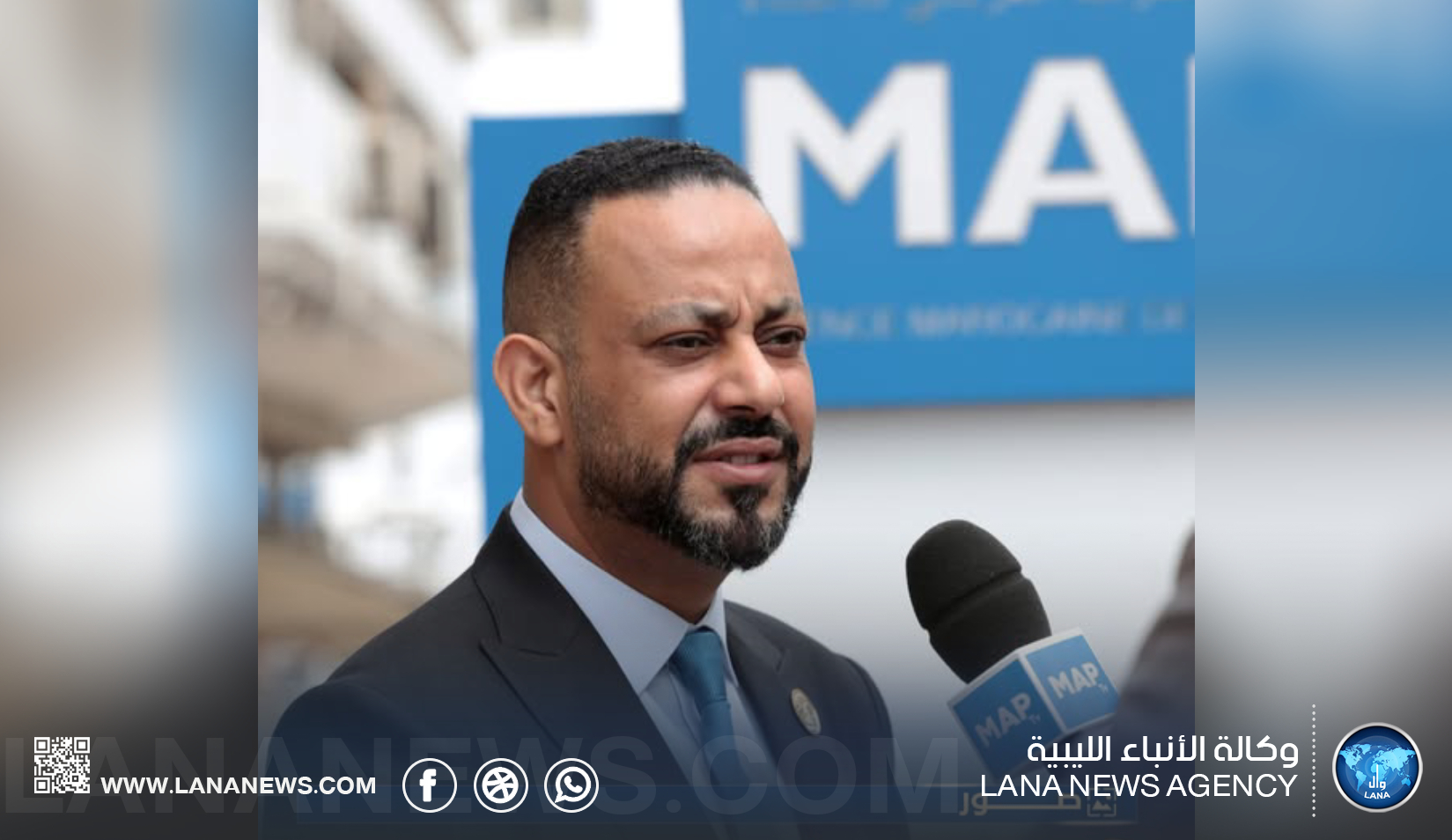
Benghazi, September 23, 2026 (LANA) – Ibrahim Hadia Al-Majbari, Head of the High Committee for Celebrating Benghazi as the Arab Capital of Culture 2026, has announced his resignation from the committee’s chairmanship. He attributed the decision to a lack of the necessary funding and executive and logistical support required to transition from the preparatory phase to the actual implementation of the program, despite efforts and communications with relevant authorities.
In a statement, Al-Majbari explained that the committee—within the scope of its mandate and resources—had developed a comprehensive celebration program. This program included cultural events and projects designed to highlight Benghazi’s status, history, and contributions to Libyan and Arab culture. He commended the committee members for their tireless efforts in finalizing the program and completing the necessary preparatory work.
He expressed his gratitude to Dr. Saliha Al-Darouqi, Minister of Culture and Arts in the Libyan Government; Salem Al-Alam, Minister of Culture and Knowledge Development; and Mabrouka Toghi, former Minister of Culture and Knowledge Development in the Government of National Unity. He thanked them for the confidence placed in him and his colleagues through three successive decrees appointing them to the committee and entrusting them with the responsibility for this significant cultural undertaking.
Al-Majbari noted that while the committee had received promises of support and funding during its tenure, these never materialized into the concrete commitments needed to launch the program. He pointed out that several cultural events held in Benghazi could have been incorporated under the "Benghazi: Arab Capital of Culture 2026" umbrella, thereby helping to unify cultural activities and strengthen the city's presence across the Arab world. Al-Majbari emphasized that the designation of "Benghazi as the Capital of Arab Culture" represents the city itself—along with its institutions, intellectuals, and creative figures—and is not limited to the committee, whose role is confined to organization, coordination, and consolidating events under a unified umbrella.
He cited the experience of the High Committee tasked with celebrating Benghazi as the Capital of Culture in the Islamic World (2023–2024), noting that the presence of political will and support at that time enabled the committee to execute a program worthy of the city. He argued that the current challenge lies more in securing the necessary resources for implementation than in the capacity to organize.
Al-Majbari called on the relevant authorities to safeguard this achievement, provide the necessary tools and resources to those who will subsequently assume responsibility, and work toward consolidating the city's cultural activities under the banner of "Benghazi: Capital of Arab Culture 2026."
...(LANA – Benghazi)...