


Prices in Libya: Between Exchange Rate Pressures and Regulatory Challenges
Pulbished on: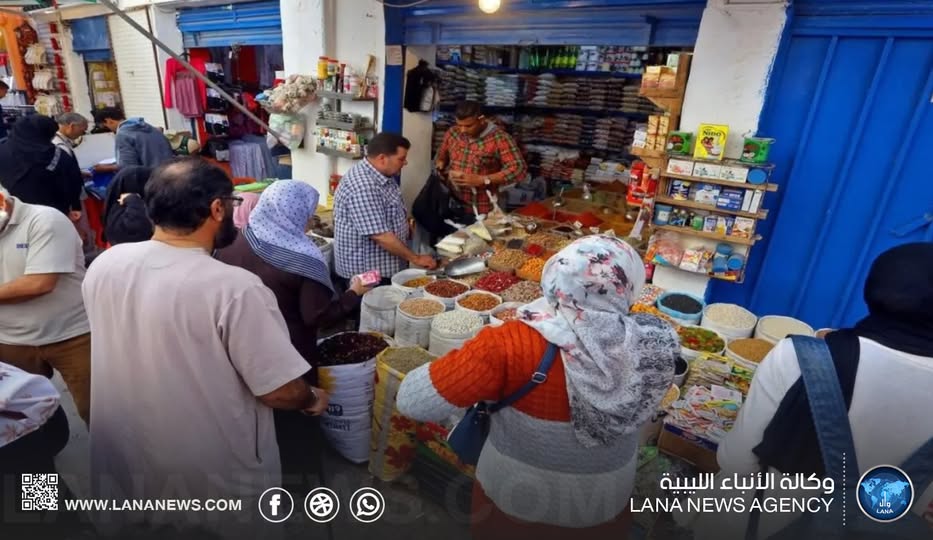
Benghazi, September 2, 2026 (LANA) – Local markets in Libya are experiencing price fluctuations for a number of goods, while regulatory bodies continue their efforts to monitor price movements amidst economic factors related to the exchange rate, public spending, and the availability of foreign currency.
Economic expert Suleiman Al-Maghrabi told the Libyan News Agency that the price increases are linked, among other factors, to the nature of the Libyan economy, which relies heavily on oil and gas revenues as its primary source of foreign currency.
Al-Maghrabi explained, regarding price developments, that oil and gas production levels and public spending affect the demand for foreign currency, which in turn impacts the dinar's exchange rate and the cost of imported goods.
He pointed out that any change in the dinar's exchange rate against foreign currencies can affect the prices of goods and services, calling for addressing the gap between the official and parallel market exchange rates through economic and monetary policies that consider their impact on citizens and markets.
Al-Maghrabi believes that among the measures that can contribute to addressing these challenges are controlling public spending, strengthening anti-corruption efforts, and working to diversify sources of foreign currency by encouraging foreign direct investment. He added that attracting investments requires a suitable environment in terms of political and security stability, along with creating the necessary conditions for diversifying economic activity.
For his part, Colonel Salah Al-Sahli, Director of the Media Office of the Municipal Guard, stated that market oversight faces difficulties related to the lack of binding and up-to-date pricing regulations for basic goods and commodities.
Al-Sahli explained that Libyan government decision No. (40) of 2023, issued by Prime Minister Osama Hammad, set prices for a number of food items, frozen meat, vegetables, and infant formula for a period of six months.
He pointed out that during its implementation, the decision provided a price reference for regulatory bodies, enabling them to take legal action against violators in cooperation with the relevant enforcement agencies.
He added that field inspections conducted by the Municipal Guard reveal price discrepancies for a number of goods across different markets, noting that some merchants set prices according to their own estimates in the absence of updated official price lists.
Al-Sahli explained that the absence of updated pricing makes the process of comparing prices and identifying violations more difficult, especially for goods that experience changes in supply or import costs.
...(LANA-Benghazi)...