


Tetteh: Diversion of Subsidized Fuel Is an Unacceptable Misuse of Public Resources and Those Responsible Must Be Investigated
Pulbished on: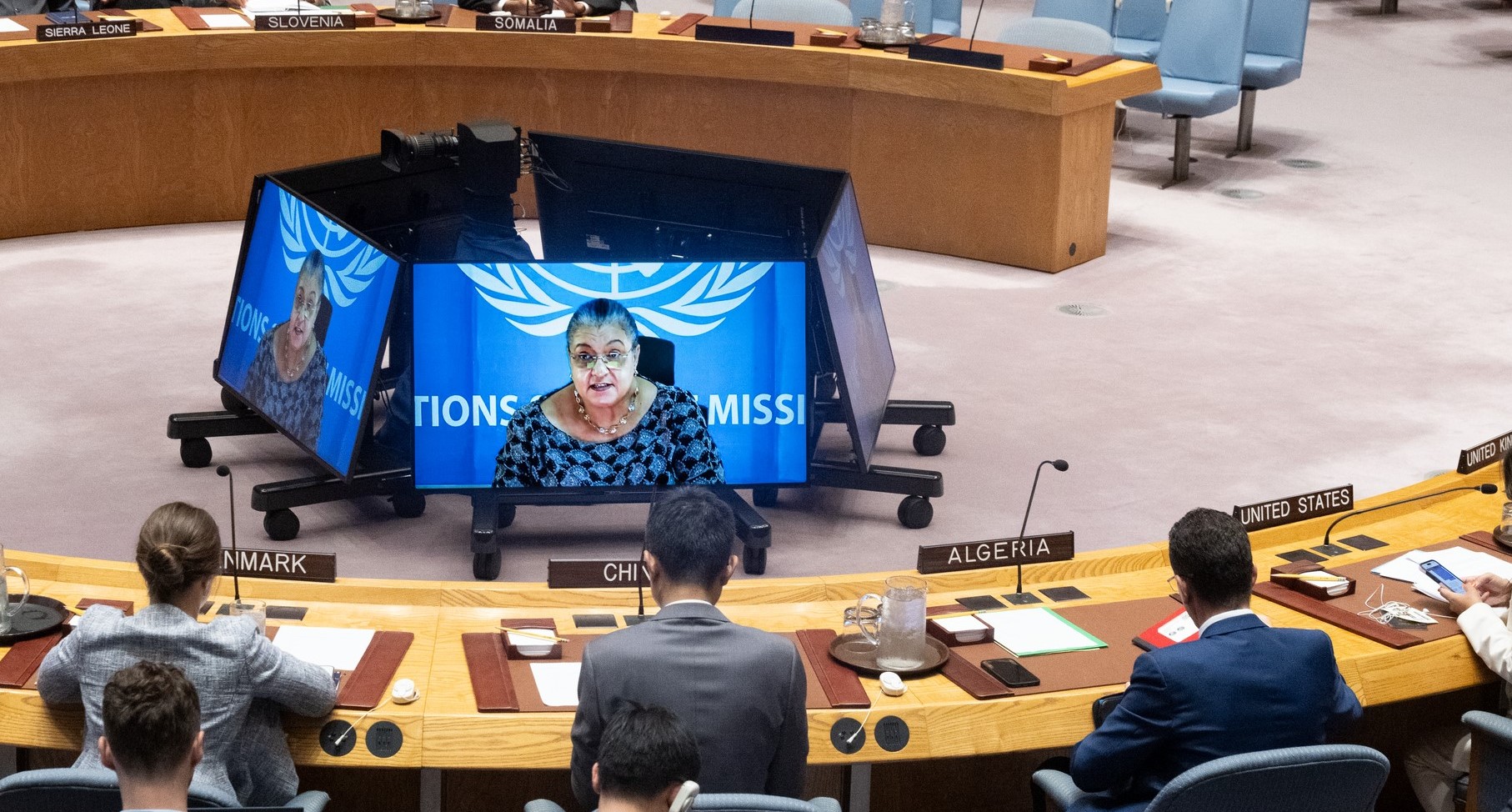
New York, August 18, 2026 (LANA) – The Special Representative of the UN Secretary-General in Libya, Hanna Tetteh, affirmed that the diversion of subsidized fuel constitutes an unacceptable misuse of public resources and that those responsible must be investigated and held accountable, stressing that Libyans should not have to bear the cost of such practices.
During her briefing to the UN Security Council on the situation in Libya today, Tuesday, Tetteh said that major power outages had affected large parts of the country, resulting in disruptions to electricity and water supplies for hundreds of thousands of Libyans.
Tetteh said the scheduled power cuts followed a loss of power-generation capacity due to fuel shortages and reduced gas availability, in addition to pressure on the already fragile electricity grid. She noted that the electricity crisis represents a striking paradox in a country that possesses Africa’s largest oil reserves and does not suffer from a shortage of energy resources.
The UN envoy pointed out that Libya spends nearly $1 billion per month on fuel imports, according to data from the National Oil Corporation, despite the continued exposure of the electricity networks to fuel shortages.
She stressed that evidence of the diversion of large quantities of subsidized fuel allocated to the electricity and security sectors, as previously highlighted in her briefings and in reports by the Panel of Experts, underscores the need for stronger oversight, accountability, and coordination to ensure that public resources are available for essential services.
Tetteh noted that the electricity crisis has affected all regions of the country and triggered widespread public discontent, particularly in western Libya, where a more organized civil disobedience campaign took place from July 26 to 29. The campaign included road closures and strikes, as well as the temporary disruption of key state facilities and energy-sector operations.
The UN envoy also addressed the request by the Governor of the Central Bank of Libya to be relieved of his post on August 9, urging that the concerns he raised be addressed seriously and promptly. She called on the Central Bank to resume publishing its monthly bulletins on revenues and expenditures to enhance transparency and accountability, while urging greater efforts to control public spending in the Libyan state.
The Special Representative of the UN Secretary-General warned that any ill-considered increase in recurrent spending, including salaries and subsidized fuel, threatens to undermine fiscal discipline in the country.
She explained that the Unified Development Program provides an important basis for managing volatile oil revenues, reducing recurrent expenditure, directing revenue surpluses toward productive investment, and developing the National Oil Corporation under stronger oversight. She stressed that the credibility of the Unified Development Program will ultimately depend on the extent to which its agreed standards are respected and implemented, holding the House of Representatives and the State Council, which signed the program agreement, responsible for exercising oversight over compliance with its framework.
Security Situation
On the security front, Tetteh described the situation along the western coast as remaining fragile, pointing to clashes in areas of Zawiya and Sorman during August, accompanied by the use of drones targeting the Zawiya Oil Refinery. She considered the use of drones against the refinery and other vital facilities to be a new and concerning development.
The UN envoy condemned the assassination of Major General Fawzi Al-Mansouri and called for an investigation and for those responsible for the crime to be held accountable.
She welcomed the meeting held in Sirte in July between the Chiefs of Staff, Lieutenant General Salah al-Din Al-Namroush and Lieutenant General Khalifa Haftar, and the understandings reached regarding the establishment of a joint border force, the implementation of joint exercises, and the coordination of training programs. She considered that implementing these steps could support efforts to unify the military institution.
Human Rights and Migration
The UN representative also addressed the human rights situation, calling for stronger protection of women and guarantees for their participation in public life, investigations into allegations of violations inside detention facilities, improved conditions for detainees, and allowing independent monitors access to detention facilities.
On migration, Tetteh warned of the consequences of what she described as “anti-migrant rhetoric and disinformation campaigns targeting vulnerable groups,” calling on the Libyan authorities to protect the humanitarian space and fulfill their obligations toward refugees, asylum seekers, and migrants.
Tetteh affirmed that the roadmap has made progress in several of its stages, but completing it requires political will and a readiness by the Libyan parties to make compromises, along with continued coordinated international support. She noted that its implementation may take longer than initially expected.