


Zawiya and Surman clashes: Civilians caught in the crossfire of weapons spread outside the rule of law
Pulbished on: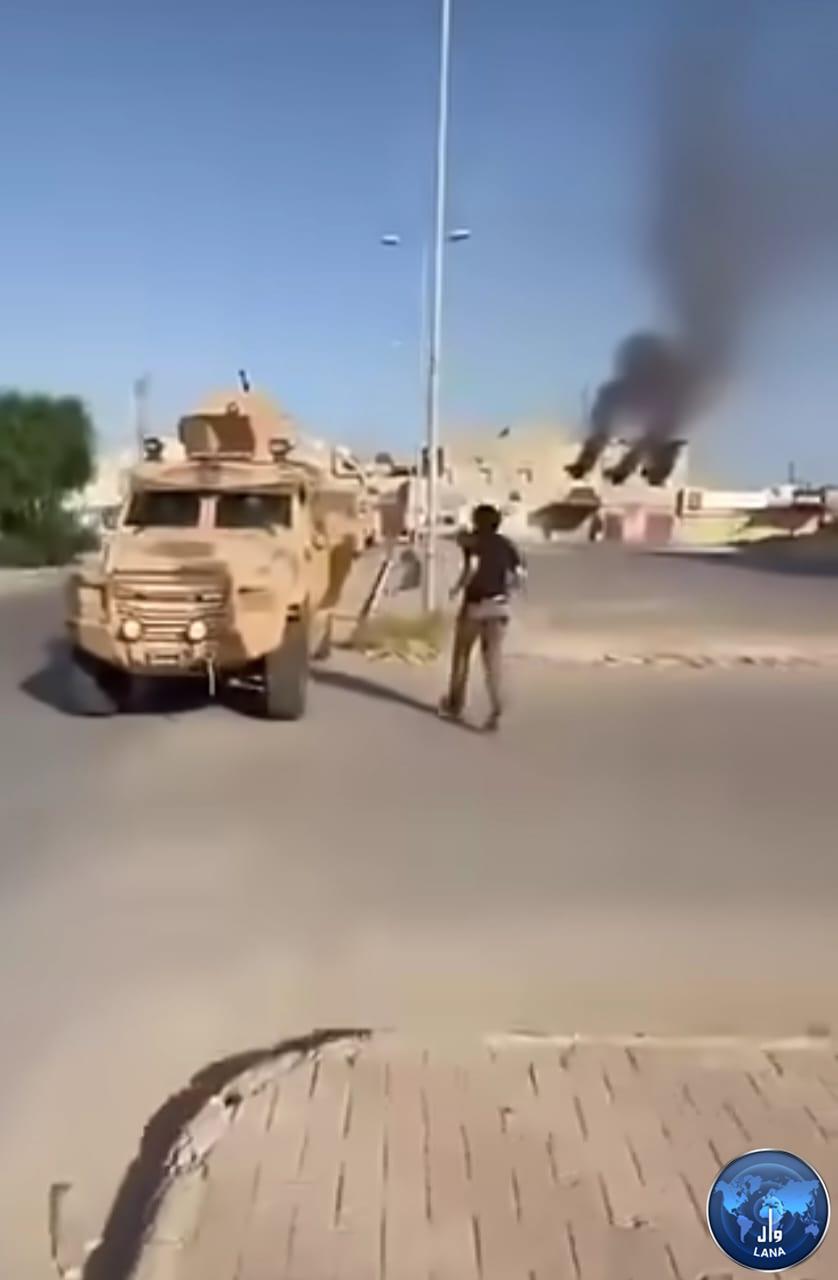
Tripoli, August 4, 2026 (LANA) – The cities of Zawiya and Surman, in western Libya, have once again become the focus of the country's security situation following the outbreak of fierce armed clashes early Tuesday morning between armed groups. These clashes have brought back memories of the familiar scenes Libyans have witnessed whenever power struggles escalate, with civilians in both cities once again caught in the crossfire, the most vulnerable victims of the violence.
The Libyan News Agency (LANA) reported that ambulance services and local authorities issued repeated warnings in the early hours of the fighting, advising against using the coastal road linking Tripoli and Ras Jdir, deeming it unsafe due to the armed confrontations.
This road is the most vital land artery in western Libya, connecting the capital, Tripoli, to the Tunisian border. The movement of passengers, goods, and commercial supplies depends on it daily. Even a brief disruption to traffic and transportation highlights the fragility of the security situation and the ability of these recurring clashes, which have persisted for years, to impact public life and the national economy, all amidst official silence.
The repercussions of the clashes extended beyond disrupting movement, spreading widespread panic among the civilian population. The municipalities of Zawiya and Surman urged citizens to remain in their homes and only leave for absolute necessities. They also announced the suspension of operations in several institutions to ensure the safety of employees and residents.
In a related development, the Libyan Red Crescent raised its alert level to maximum, calling on the warring parties to open humanitarian corridors to guarantee access for ambulance and rescue teams to those in need.
These measures reflect the scale of the dangers faced by civilians who are not party to the conflict.
The announcement by the Judicial Police that a number of inmates had escaped from the Surman Reform and Rehabilitation Institution during the clashes further complicated the situation. It highlighted the indirect security repercussions of the armed confrontations and raised additional concerns, particularly among civilians, regarding stability in the region in general.
To date, official authorities have not released a final casualty count or provided full details regarding the causes and circumstances of these clashes, which involved the use of light weapons, machine guns, and medium weapons in residential areas.
Despite the seriousness of the situation, reports regarding the identities of all parties involved remain conflicting. While media reports describe a clash between armed groups, the relevant authorities have yet to issue a detailed account explaining the background of the events or the measures they intend to take to prevent a recurrence.
It is worth noting that the western region, particularly Zawiya and its surrounding areas, as well as Surman, Sabratha, and Al-Ajilat, has witnessed numerous confrontations in recent years, mostly related to the struggle for influence and control of smuggling routes. These clashes have had a greater impact on the lives of civilians than on the warring parties themselves.
Given this volatile security situation, questions are being raised again about the state's ability to impose security, protect vital infrastructure, and ensure freedom of movement. The closure of the coastal road, the suspension of work in institutions, and the appeals for residents to remain indoors all indicate that the effects of the clashes extend beyond the military sphere, impacting the daily lives of citizens.
Civilians continue to pay the heaviest price, whether through intimidation, disruption of their lives, or restrictions on their movement along the vital road connecting the west of the country to its capital and western borders. Hope remains that security and political efforts will succeed in preventing a recurrence of such scenes and in building institutions capable of monopolizing the use of force and protecting citizens without resorting to violence.
...(LANA)...