


The French Archaeological Mission Concludes its 2026 Season in Libya.
Pulbished on: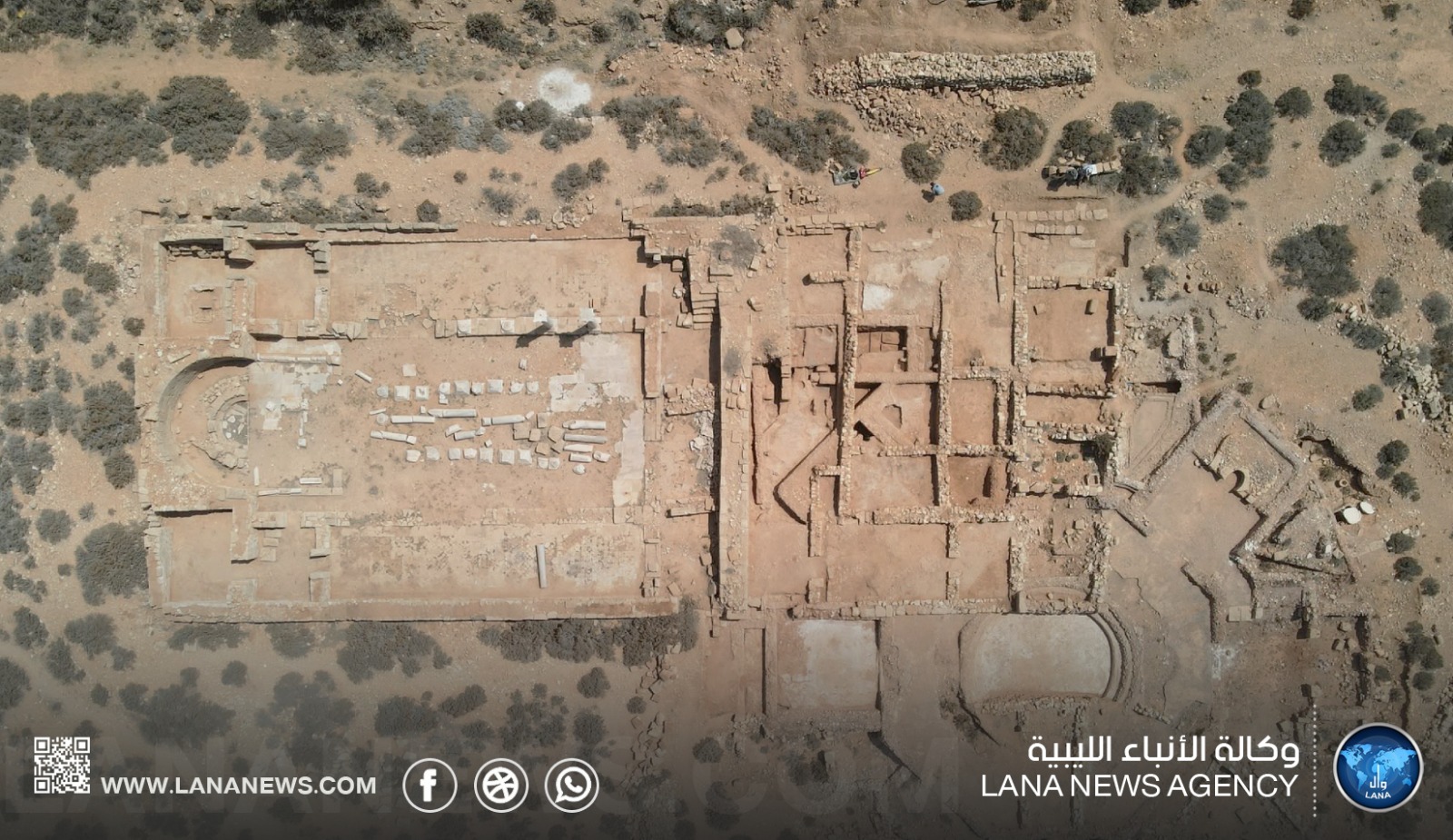
Benghazi, July 30, 2026 (LANA) – The French archaeological mission in Libya concluded its 2026 field season, presenting its most important findings, which included significant archaeological discoveries and studies at the sites of Apollonia, Lathron, and Leptis Magna, coinciding with the 50th anniversary of the launch of Libyan-French archaeological cooperation.
The mission explained that the 2026 season saw a gradual resumption of field missions, which had been relaunched since 2024, in close cooperation with the Libyan Department of Antiquities. It noted that the excavation and study work yielded important scientific results at a number of the country's most prominent archaeological sites.
She added that research in Apollonia (modern-day Sousse) confirmed the Hellenistic date of the city walls, and excavations began in the Acropolis area. The only known cherubic stadium at the site was re-examined, and a new theater and previously undocumented archaeological sites were discovered.
She stated that excavations at Lathron contributed to a new understanding of the design of the Roman baths and revealed information related to the resettlement of the area during the Byzantine period, while restoration work on the eastern basilica continued.
In Leptis Magna, the reopening of the Baths of the Levant area yielded new findings, including the discovery of a network of water channels connected to oyster farms, enhanced understanding of the site's hydraulic system, and the discovery of a large paved area south of the building.
The mission emphasized that the season's activities were not limited to archaeological excavations but also included scientific meetings and specialized training workshops in heritage preservation, as well as official visits to archaeological sites, reflecting the level of cooperation between Libya and France in the fields of scientific research and heritage conservation.
The mission expressed its gratitude to the Libyan Department of Antiquities, the Tourism and Antiquities Police, local municipalities, the French Embassy in Libya, the French Institute, the Archaeological Excavation Committee of the French Ministry for Europe and Foreign Affairs, the Libyan Embassy in France, and all members of the Libyan and French teams, in recognition of their efforts and support in ensuring the success of the season's work.
The mission affirmed that the results of the 2026 season represent a new step towards expanding the horizons of archaeological research in Libya and enhancing scientific knowledge of the country's history and heritage, within the framework of a Franco-Libyan archaeological partnership that has been ongoing since 1976.
=Lana=