


Al-Maslati: Foot-and-mouth disease in Libya is under control and has not reached the epidemic stage.
Pulbished on: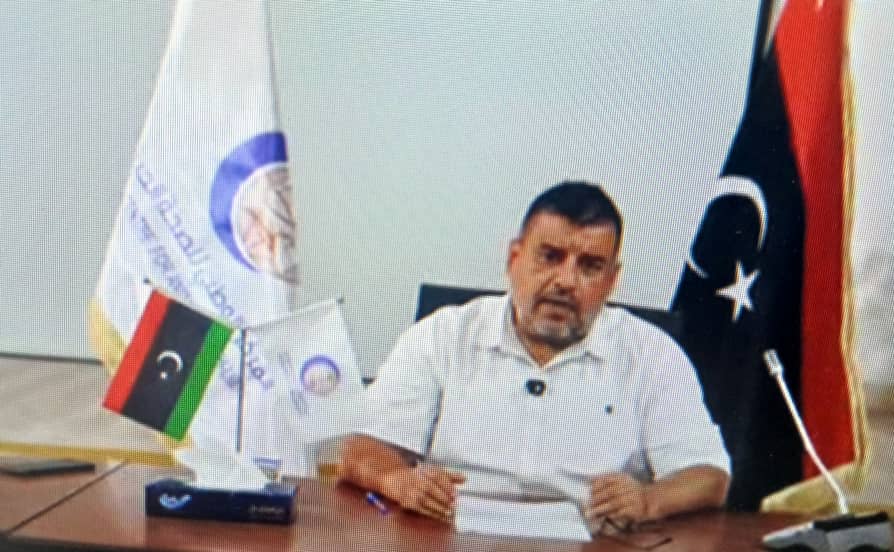
Tripoli, July 16, 2026 (LANA) – Dr. Hatem Al-Maslati, Director of the Monitoring, Investigation, and Rapid Response Department at the National Center for Animal Health, confirmed that the foot-and-mouth disease situation in Libya remains under control and has not reached epidemic levels. He noted that monitoring, investigation, response, and containment measures are continuing to be implemented in various regions.
In an audio statement published by the Ministry of Agriculture and Livestock on its official page, Al-Maslati explained that the center has recently recorded an increase in reports of the disease in several areas. He urged livestock breeders and traders to strictly adhere to biosecurity measures to limit the spread of infection.
He indicated that the first cases were recorded on May 5, 2026, in the Tajoura area. The affected area was dealt with, and the necessary samples were taken. Laboratory tests confirmed the infection, and the outbreak was brought under control in cooperation with the Tripoli Animal Health Office.
He added that reports have increased recently in several areas, including Tajoura, Ain Zara, Misrata, Masallata, and Zawiya. The center has begun collecting samples from affected areas, and laboratory results have confirmed positive cases. Spraying and disinfection operations have also been carried out in the affected livestock pens.
He explained that the center, in cooperation with the Agricultural Police, law enforcement agencies, municipalities, and agricultural coordinators, has taken a number of precautionary measures. These include prohibiting the movement of animals and closing livestock markets to limit the spread of the disease. The center is also continuing to monitor affected areas and farms and is receiving reports from various regions.
He noted the formation of a crisis management committee, chaired by the Undersecretary of the Ministry of Agriculture and Livestock, and including the head of the appointed management committee, several directors of relevant departments, and advisors, to continuously monitor the evolving epidemiological situation.
Al-Maslati confirmed that the center has notified the World Organisation for Animal Health (OIE) of the recorded outbreaks and is coordinating with them to obtain technical support. He added that cooperation with veterinary teams in the eastern and southern regions continues to facilitate the exchange of expertise, resources, and technical materials, and to strengthen efforts to protect livestock throughout the country.
He noted that the National Center for Animal Health is exerting its utmost efforts within its available resources, but still requires urgent financial and logistical support. He explained that the Minister of Agriculture and Livestock has taken the necessary measures in accordance with the ministry's plans, and expressed his hope that the Prime Minister's office and relevant authorities will provide the required support to enhance the center's capacity to combat the disease.
The Director of the Monitoring, Investigation, and Rapid Response Department at the center called on livestock breeders and traders to fully comply with biosecurity measures, particularly restricting animal movement, closing farms to unnecessary visits, minimizing the movement of workers and vehicles, and adhering to disinfection and sterilization procedures. He emphasized that these measures are essential in limiting the spread of infection.
He explained that foot-and-mouth disease is not new to Libya, as it is an endemic disease. He noted that the center has conducted extensive vaccination campaigns in recent years. However, the entry of smuggled, unvaccinated animals across land borders, particularly from the southern regions, poses a significant challenge, given its role in reactivating the virus and weakening herd immunity. This threatens vaccination and prevention programs and increases the likelihood of livestock losses.
Al-Maslati reiterated that the epidemiological situation remains under control, while emphasizing the need for continued vigilance and heightened response. He affirmed that the National Center for Animal Health, in cooperation with veterinarians and technicians in various regions, will continue to monitor the situation and take the necessary measures to protect the country's livestock.
...(LANA)...