


Naji Issa emphasizes the development of electronic payment services and giving cybersecurity top priority
Pulbished on: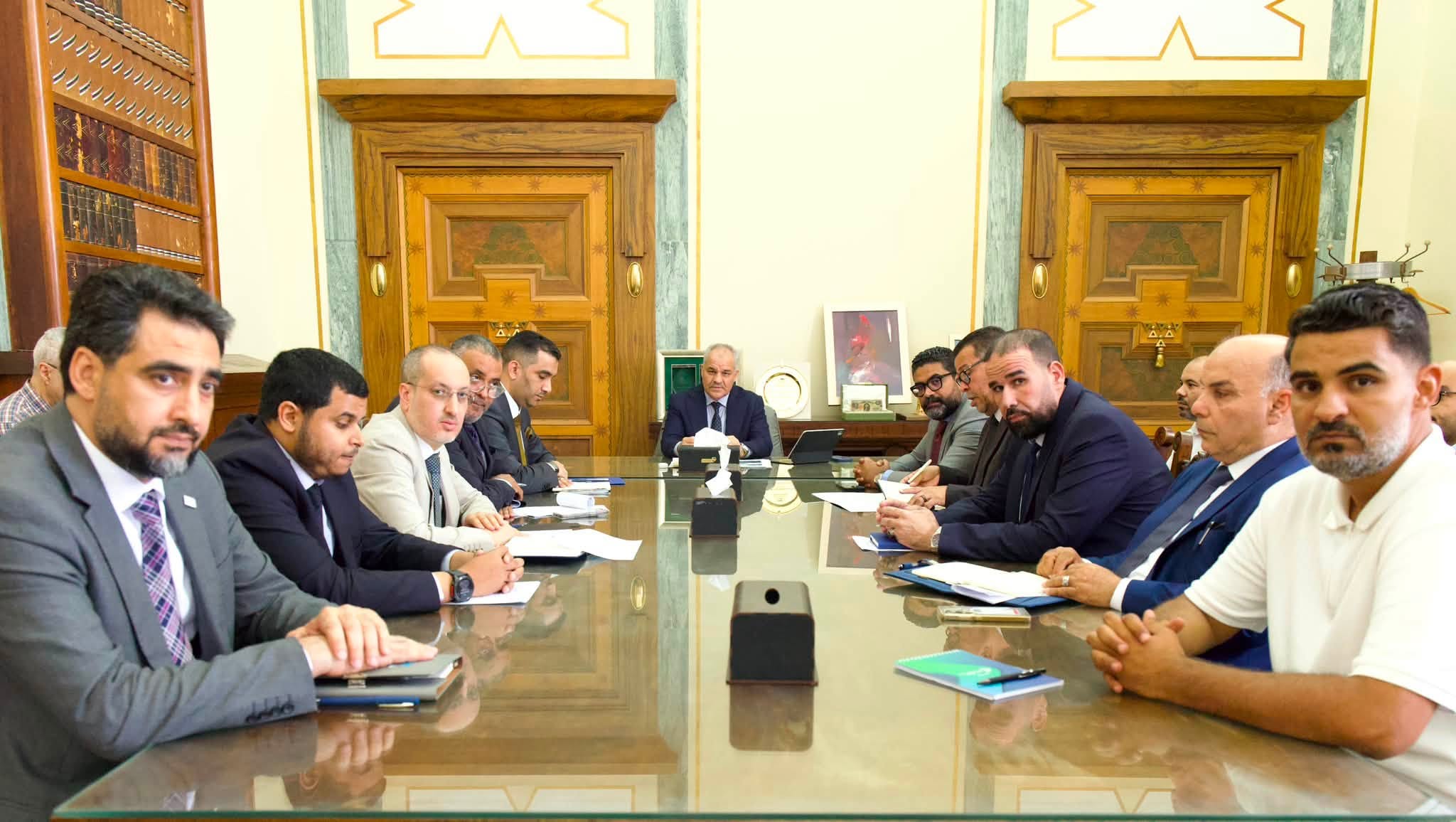
Tripoli, July 13, 2026 (LANA) – The Governor of the Central Bank of Libya, Naji Issa, emphasized the importance of continued coordination and communication between commercial banks and electronic payment companies, and the need to address challenges continuously, while also submitting proposals that contribute to developing and enhancing the efficiency of payment services.
This came during an expanded meeting he held on Monday, which included a number of general managers of commercial banks and representatives of electronic payment companies, in the presence of directors of relevant departments at the Central Bank. The meeting was held to follow up on the development of the electronic payments system and enhance its efficiency, to identify the most prominent challenges facing banks and electronic payment companies, and to take the necessary measures to address them. The Governor stressed the need to give cybersecurity systems the highest priority and to take all necessary measures to strengthen the protection of banks' digital infrastructure and raise their readiness to confront cyber risks and threats, thus ensuring the security and integrity of banking systems, preserving customer data, and guaranteeing the continuity of services.
According to the Central Bank, the meeting also included discussions on improving the efficiency of electronic payment systems and enhancing their technical infrastructure to reduce disruptions and ensure the continuity of services provided to citizens.
The meeting also reviewed updates on the implementation of the Visa card payment project in foreign currency through local points of sale, including its progress and stages, which supports the diversification of electronic payment methods and keeps pace with developments in the financial sector.
The meeting discussed the results of the evaluation of electronic payment companies and their compliance with the technical and regulatory standards and controls issued by the Central Bank of Libya.
The meeting also explored mechanisms for expanding the use of electronic wallets to promote financial inclusion and encourage expatriate workers to utilize this service, thereby contributing to the expansion of electronic payment services and reducing reliance on cash transactions.
...(LANA)...