


The Public Prosecution reveals the presence of banned pesticides in agricultural crops
Pulbished on: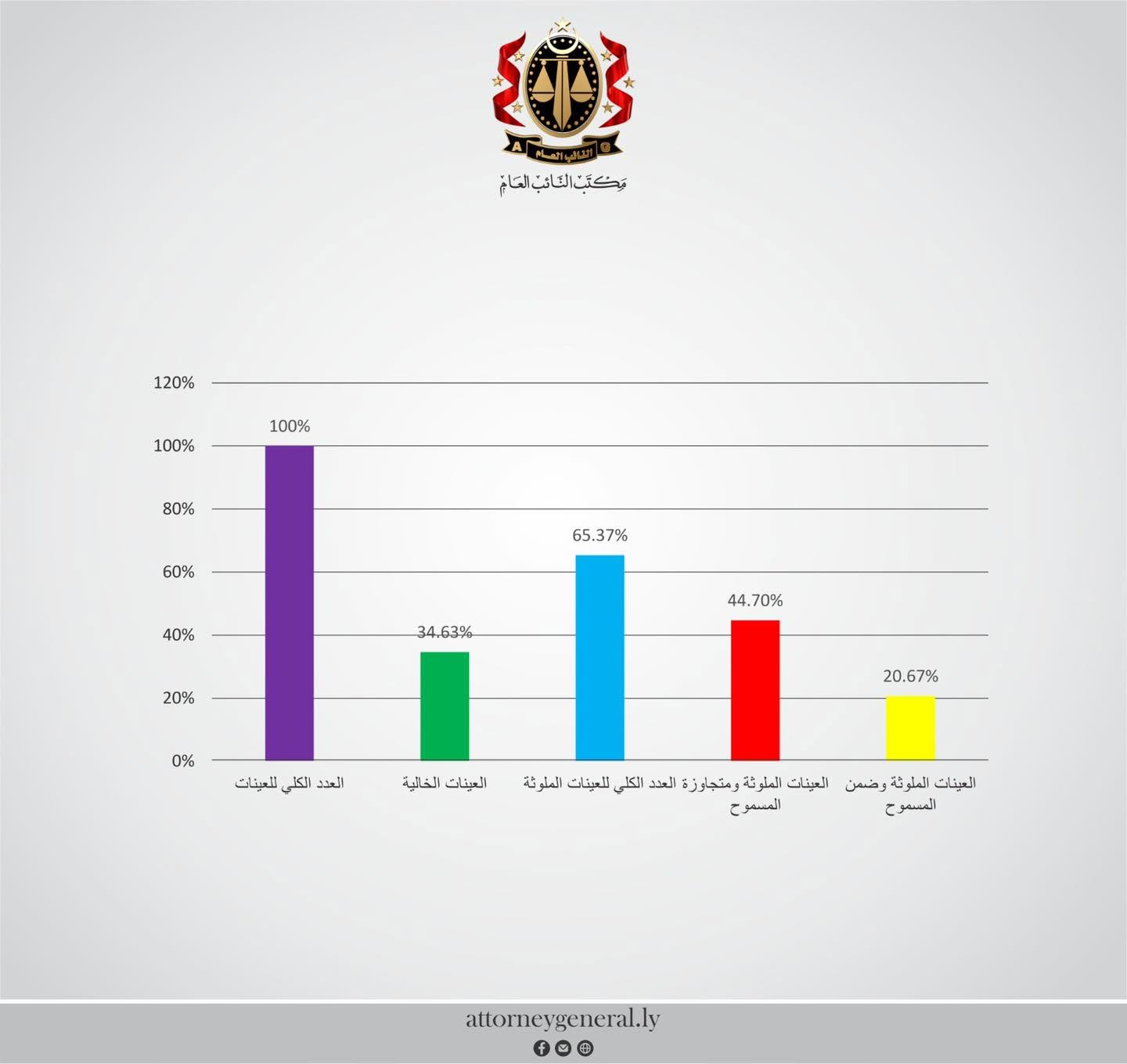
Tripoli, June 30, 2026 (LANA) – The Public Prosecutor's Office revealed that pesticide samples taken from farms and retail outlets showed they contained residues of seven banned pesticides at a rate of 65 percent.
The Public Prosecutor's Office stated it had received information indicating violations of environmental regulations and food security standards due to the widespread use of banned pesticides in agricultural practices.
It noted that the Public Prosecutor's Office conducted inspection campaigns on farms and retail outlets in Tripoli, Benghazi, and Misrata. During February 2026, technical teams collected samples of agricultural produce offered directly to consumers.
It added that the necessary analyses were carried out on the residues of the banned pesticides and their concentrations were measured. The analysis results confirmed that 65% of the samples contained residues of seven pesticides banned under national legislation or were contaminated with residues of banned pesticides and substances classified as carcinogenic or mutagenic according to international agreements and the recommendations of regional and international organizations and commissions.
The technical teams also revealed residues exceeding the limits permitted by the established recommendations. Consequently, the Public Prosecutor decided to take measures to complete the collection of necessary evidence regarding the use of these pesticides, identify those responsible for introducing them into the market, and inspect distribution channels and storage facilities to seize the prohibited substances.
The Public Prosecution decided to initiate and prosecute criminal cases against those trading in and possessing these pesticides, as well as against users of non-banned pesticides who exceeded the limits permitted by the approved recommendations. This is a measure taken by the Public Prosecution to address the criminal situation while simultaneously developing enhanced food security measures. And protecting the population from health and environmental damage.