


LOHR calls for the establishment of a national body to manage migration
Pulbished on: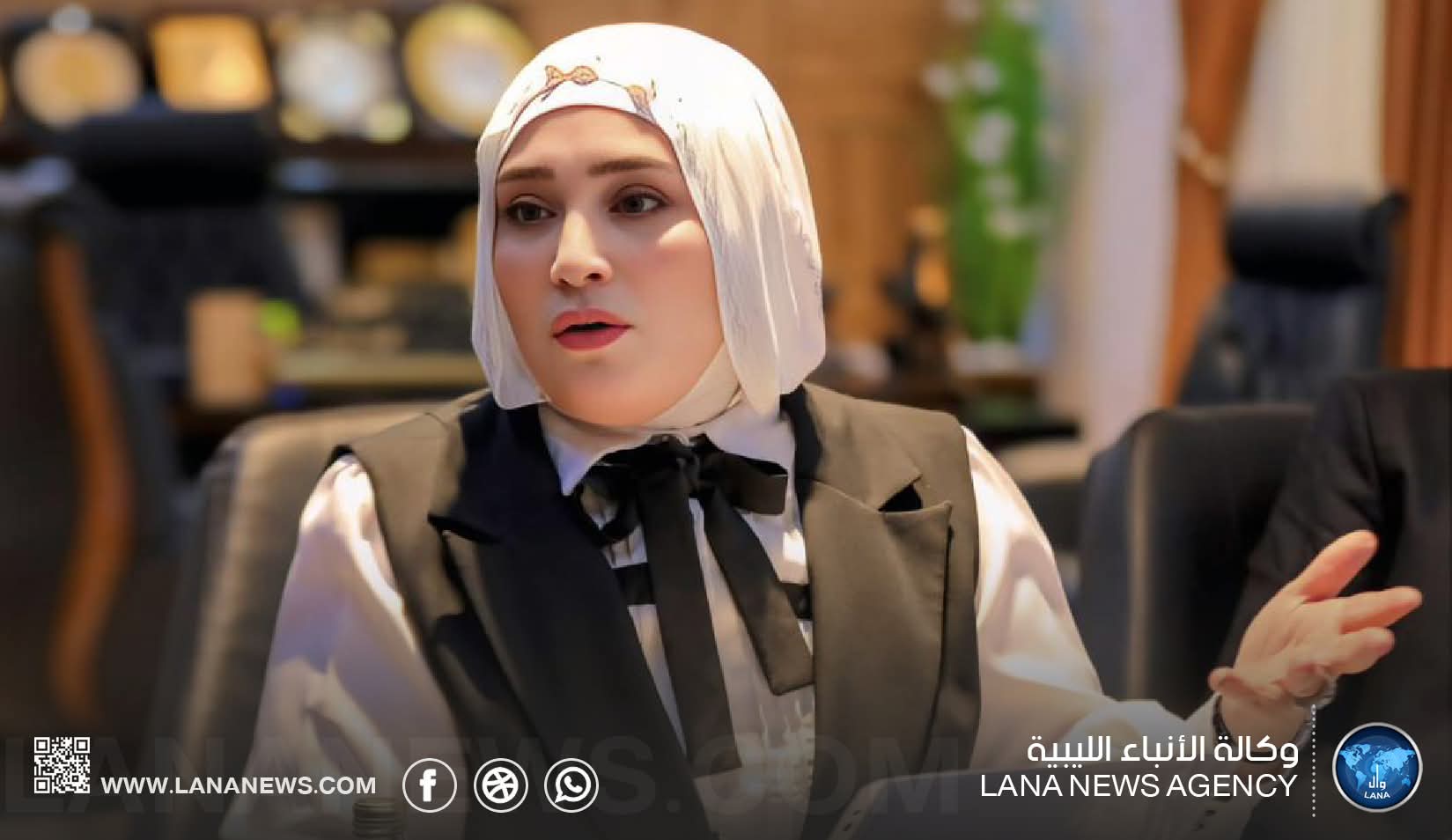
Benghazi, June 3, 2026 (LANA) – Hanan Al-Sharif, head of the Libyan Organization for Human Rights, called for the establishment of a national body specializing in managing migration and asylum issues. She emphasized that this is a sovereign matter requiring clear national management to safeguard national security and social stability, especially given the ongoing debate surrounding mechanisms for regulating the presence of migrants and refugees in Libya.
In a press statement, Al-Sharif stated that the migration and asylum issue necessitates national management based on existing legislation and respecting national sovereignty. She noted that the presence of the United Nations High Commissioner for Refugees (UNHCR) in Libya was initially linked to exceptional humanitarian circumstances and specific asylum cases.
She added that the expansion of the UNHCR's activities in recent years necessitates a legal and regulatory review by the relevant authorities to ensure clear jurisdictions and respect for national sovereignty. She called for the development of clear institutional mechanisms for addressing this issue.
Al-Sharif emphasized that the organization sees the importance of establishing a specialized national body to manage migration and asylum issues, thereby achieving a balance between the state's humanitarian obligations and its national interests.
In the same vein, the Tripoli-based activists' movement "No to Settlement, No to Resettlement" called for strengthening national procedures regulating migration. In a statement, the movement affirmed that its position is based on considerations related to protecting national sovereignty and security, and demanded that the relevant authorities develop clear policies to address the issue.
The statement referred to data issued by the International Organization for Migration (IOM) regarding the number of migrants in Libya and their distribution across various municipalities and regions. It asserted that these indicators necessitate a comprehensive national approach to the issue, given what it described as the associated security, economic, and social challenges.
For its part, the United Nations High Commissioner for Refugees (UNHCR) confirmed that its work in Libya is limited to providing humanitarian and technical support in coordination with the Libyan authorities. It stressed that it does not implement programs to resettle migrants within the country and does not possess any sovereign powers related to managing migration.
The UNHCR clarified that registering refugees with them does not affect the state's authority to make decisions concerning foreigners, noting that its activities focus on humanitarian protection and basic assistance for people in need of international protection, in addition to finding solutions for them outside Libya.
It also pointed out that more than 83 percent of those registered with it are Sudanese nationals, emphasizing that voluntary return to their countries of origin remains available to anyone who wishes to do so.
These proposals and positions come at a time when the issue of migration and asylum is receiving increasing attention from official institutions and civil society organizations, amid calls for clearer regulatory frameworks to address issues related to irregular migration and asylum within Libya.
=Lana=