


Tetteh: The smaller meeting will not replace the work of structured dialogue
Pulbished on: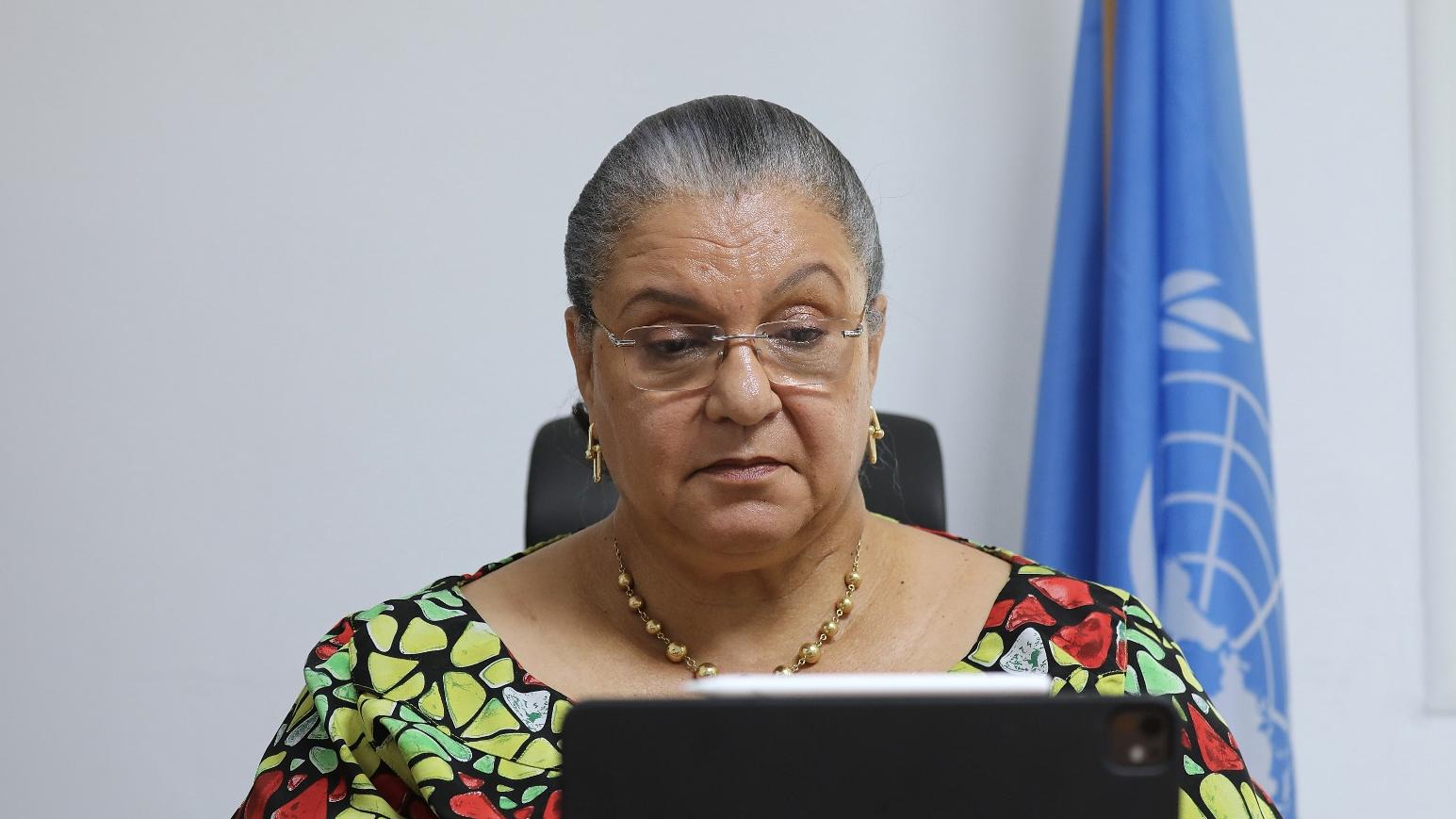
Tripoli, April 27, 2026 (LANA) – The Special Representative of the UN Secretary-General, Hanna Tetteh, announced that the House of Representatives and the High Council of State have failed to achieve the first two phases of the roadmap eight months after its announcement, despite the mission's ongoing efforts.
This came in her opening remarks during the virtual plenary meeting of the structured dialogue held by the UN mission on Monday.
Tetteh indicated that the mission proposed an alternative two-step approach – inspired by the governance track discussions in the structured dialogue – which involves convening a meeting of a small group of Libyan stakeholders to identify the solutions needed to achieve the first two phases; followed by a broader meeting, if necessary, based on the procedures stipulated in the existing Libyan political agreements.
Tetteh clarified that this smaller meeting will not replace the work of the structured dialogue, emphasizing that it is a complementary mechanism aimed at addressing the identified obstacles, namely the electoral framework and the High National Elections Commission.
The UN envoy said the structured dialogue, which will conclude at the beginning of June, aims to formulate a national vision and priorities for legislative and political reforms through an inclusive, Libyan-led and Libyan-owned dialogue.
She added that the structured dialogue is crucial because it helps the country identify national priorities that will support a stable, peaceful, and prosperous Libya.
According to Tetteh, today's virtual plenary session focuses on the first set of issues related to creating an enabling environment for national elections, in order to determine the thematic coherence of the recommendations.
Tetteh noted that over the past few months, the four tracks—governance, economy, security, national reconciliation, and human rights—have held discussions of vital importance to the country's future, contributing to the development of a national vision or working paper for Libya that will help address some of the most pressing challenges and priorities facing the Libyan people.
The Special Representative of the Secretary-General explained that a series of meetings were held with external experts and broader segments of Libyan society to ensure that the structured dialogue builds upon existing Libyan efforts and that the recommendations presented align with the priorities and aspirations of the Libyan people.
She added that during the in-person session held in April, the Mission presented the results of its outreach efforts and surveys, including its most recent online poll on issues collectively identified as priorities for the relevant tracks.
According to the Special Representative, these surveys conveyed a clear message from Libyans: legitimacy, accountability, and inclusivity are urgent national priorities.
The surveys, according to Ms. Tetteh, showed that public trust in governance and institutions remains low. She emphasized that there is an overwhelming consensus—nine out of ten people—on the necessity of holding elections, provided they are protected from interference and supported by credible guarantees.
Surveys also showed that corruption, poor services, and political division continue to affect daily life, particularly in the south, while economic pressures, unemployment, and the cost of living dominate public concerns.
Tetteh stated that security perceptions are mixed, with limited trust in security institutions. She noted a strong demand for a rights-based national reconciliation rooted in justice, the removal of corrupt officials, an end to impunity, compensation for victims, and guaranteed democratic representation as the foundation for sustainable peace.
The UN envoy considered the political process to be at a critical juncture, stating that the recent report of the Panel of Experts highlighted the gravity of the challenges facing the country.
Tetteh emphasized that the roadmap presented by the mission was designed to help overcome the de facto division in the country by establishing a negotiated governance framework leading to the reunification of institutions, the restoration of their legitimacy, the preservation of Libya's unity, and the resolution of the legitimacy crisis through national elections as a step towards achieving long-term stability.
...(LANA)...