


The Administrative Control Authority commemorates International Anti-Corruption Day
Pulbished on: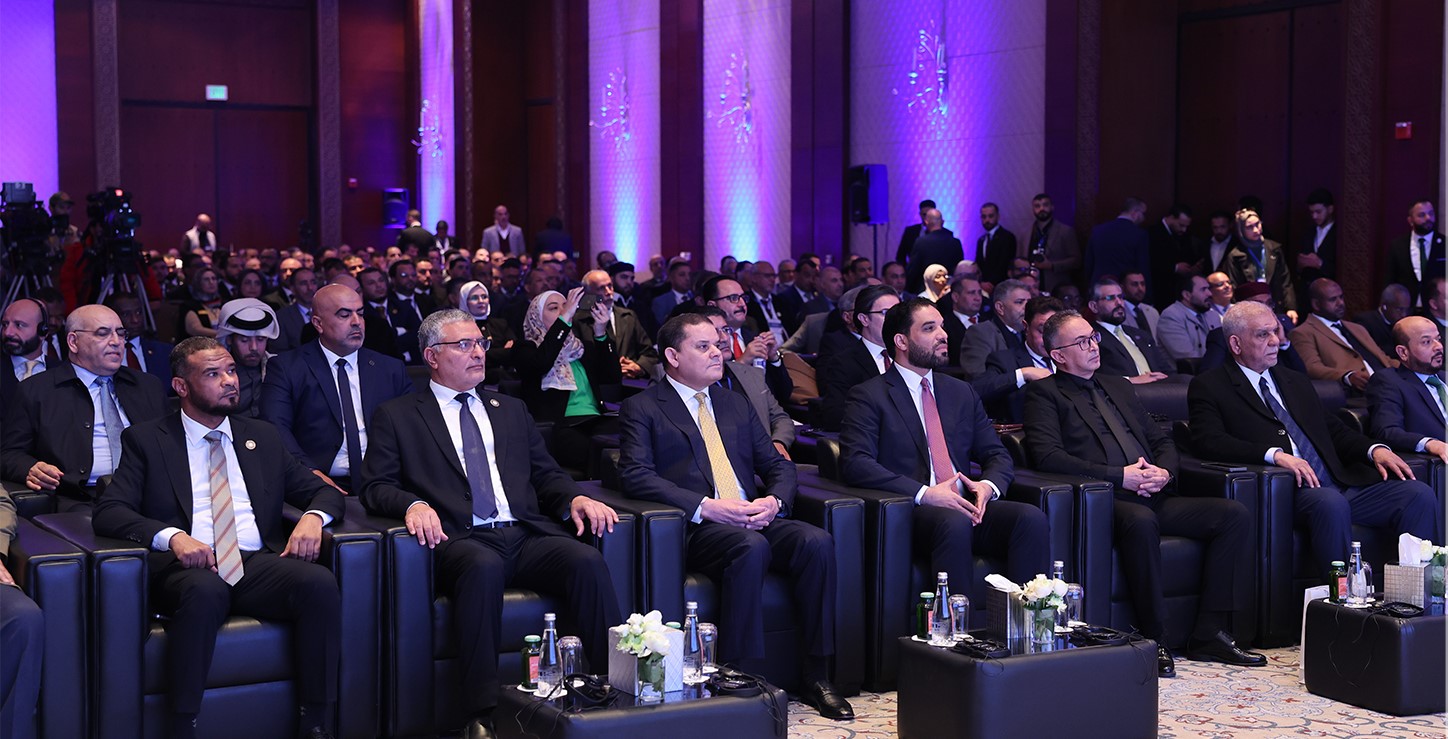
Tripoli, December 9, 2025 (LANA) – The Administrative Control Authority commemorated International Anti-Corruption Day, established by the United Nations on December 9, 2005, at a ceremony held in Tripoli on Tuesday.
The event was attended by the Prime Minister of the Government of National Unity, Abdul Hamid Dabaiba, the President of the High Council of State, Mohammed Takala, the Head of the Administrative Control Authority, Abdullah Qaderbouh, members of the House of Representatives and the High Council of State, a number of ministers, and heads of international missions and organizations accredited to Libya.
Dabaiba affirmed the government's firm belief in the role of oversight bodies in combating and preventing corruption.
In his address at the ceremony, he called for a thorough examination of shortcomings in administrative systems and procedures, a review of measures that contribute to the spread of corruption, and the formulation of necessary proposals for their amendment, as well as the adoption of new criteria for selecting administrative leaders.
For his part, the President of the High Council of State emphasized that International Anti-Corruption Day serves as an annual international reminder of the dangers of corruption to national security and the future of development.
Takala pointed out that Libya has realized that combating corruption is not a supplementary measure but a necessity, given that corruption weakens the prestige of the state and undermines citizens' trust in their institutions.
He expressed the Council's full support for efforts to combat corruption in all its forms and to promote the principles of transparency, praising the role of the Administrative Control Authority in this fight.
The head of the Administrative Control Authority, Abdullah Qaderbouh, explained that the international community's consensus on combating corruption stems from its awareness of the devastating negative repercussions and effects of corruption on all economic and social levels, including human rights violations, the destruction of development plans in societies, and the reduction of investment and service provision, especially in developing countries.
In his speech at the ceremony, Qaderbouh emphasized that Libya was among the first countries to ratify the United Nations Convention against Corruption and that the Administrative Control Authority has committed itself to harnessing its resources to achieve its aspirations for strengthening the principles of transparency and accountability.
...(LANA)...